




Fire RiskSpecialists

    Guide · guides

    Fire door inspection checklist for block managers

    Prepare access, record what was checked and turn defects into action—not a DIY certificate.

    Awais Sarwar, Fire Risk Specialists 8 min readMaterial supplied by Awais Sarwar, MSc Updated 16 Oct 2026
    Fire door inspection checklist for block managers
    AudiKiaGB NewsBudgens

    The short answer

    A useful routine fire door checklist covers visible leaf/frame condition, hinges, fitted seals, gaps and alignment, glazing and hardware, closing action, use and records. A full flat entrance check needs both sides and operation. Record limitations and escalate suitability or hidden-construction questions; a checklist is not a fire-resistance test or a substitute for the building FRA.

    Call the team

    Before the appointment

    Gather the FRA, existing register and available product or installation records. Identify communal doors, flat entrances and other doors whose relevance the FRA establishes. Confirm height, door counts, access coordinator and one-off or recurring scope. Arrange resident appointments rather than expecting an inspector to complete flat entrances solely from the corridor. Clarify whether additional attendances are included before booking.

    Access and document preparation

    • Address and statutory height information
    • FRA and existing door register
    • Number and locations of relevant doors
    • Resident appointment arrangements
    • Known defects, alterations and available records
    • Agreed inspection and follow-up scope

    Visual and operational checklist

    The accessible check concerns continued condition and operation. It does not establish concealed construction or reconstruct an original test certificate. Use the agreed scope and escalate unfamiliar or uncertain components rather than guessing their rating.

    CheckWhat to record
    Door leaf and frameVisible damage, splits, distortion, loose components and alterations.
    Gaps and alignmentPoor fit, rubbing, obstruction and excessive gaps; record measurements where relevant.
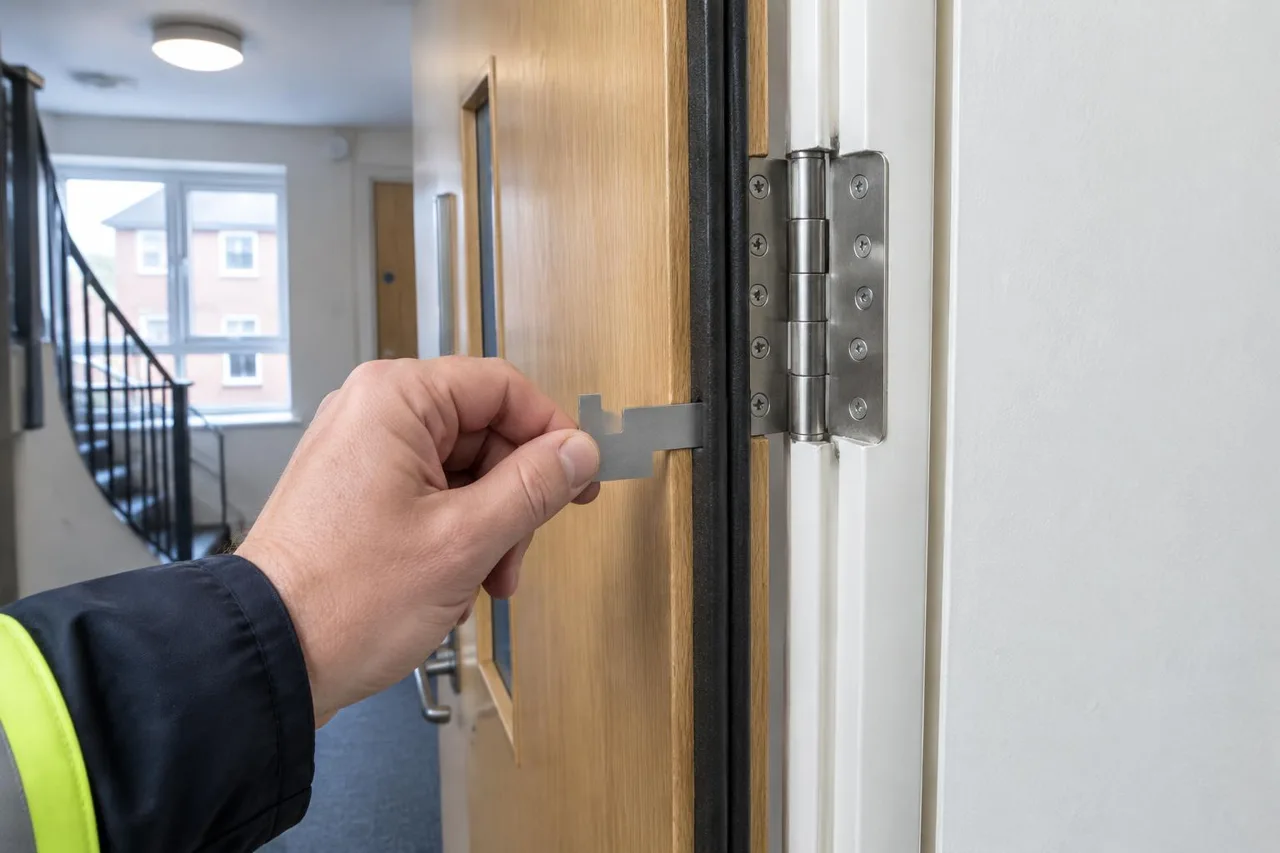
    Hinges and fixingsMissing screws, looseness, damage and signs the door is dropping.
    Self-closing actionClosure fully into the frame from fully open and around 15 degrees, overcoming any fitted latch or floor friction.
    Seals, where fittedCondition and continuity of strips and smoke seals; damage or interference.
    Hardware and glazingRelevant latches, locks, letterplates, panels and glazing; visible damage or alteration.
    Identification and useDoor location, wedging, obstructions, relevant signage and replacement concerns.
    Access and recordsBoth sides and operation for a complete flat entrance check; findings, restrictions and action owners.
    Based on Awais’s supplied service scope and government routine-check guidance.

    Door leaf, frame and alterations

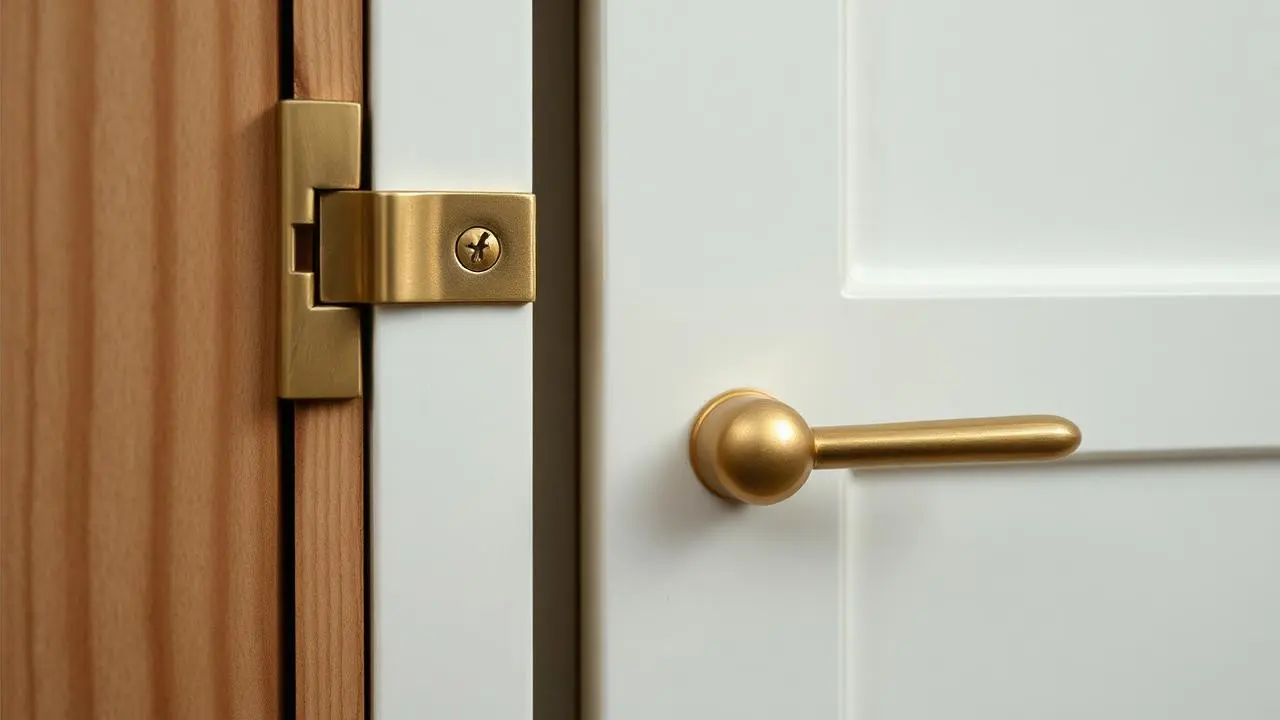
    Look for damage, distortion, splits, loose elements and changes that may affect performance. Observe the fit of the leaf against the frame, signs of dropping or rubbing and any obstruction. Record the location and nature of the defect rather than a vague “door failed” statement. Replacement leaves, added hardware or glazing alterations may need further investigation; appearance alone does not verify the original specification.


    The buildings behind this advice

    AudiKiaGB NewsBudgensPepe's Piri PiriCar Giant

    Closing from fully open and around 15 degrees

    The door should close fully into the frame from fully open and from around 15 degrees, overcoming any fitted latch or floor friction. Record whether it did so, not simply whether a closer was visible. A damaged or disconnected closer can defeat the protection provided by an otherwise suitable assembly. Do not remove or adjust components beyond your competence; report and arrange appropriate action.

    Gaps: avoid a universal bottom-edge number

    Government routine-check guidance uses a maximum 4mm gap at the head and sides. The bottom edge requires separate consideration and should not be judged using an automatic universal 4mm limit. Record measurements and their location where relevant, and seek competent advice about specification or smoke-control requirements. A gap observation should support a scoped recommendation, not an automatic assertion that the entire door must be replaced.

    Hinges, seals and fitted hardware

    Look for loose or missing screws, hinge damage, dropping, damaged fitted seals, broken glazing and operational problems with relevant latches, locks or letterplates. Consider the complete assembly, not isolated decorative components. A missing modern seal on an older door does not by itself establish unsuitability; government guidance requires context and avoids automatic replacement. Record uncertainty for further assessment rather than claiming an unverified rating.

    Both sides matter for flat entrances

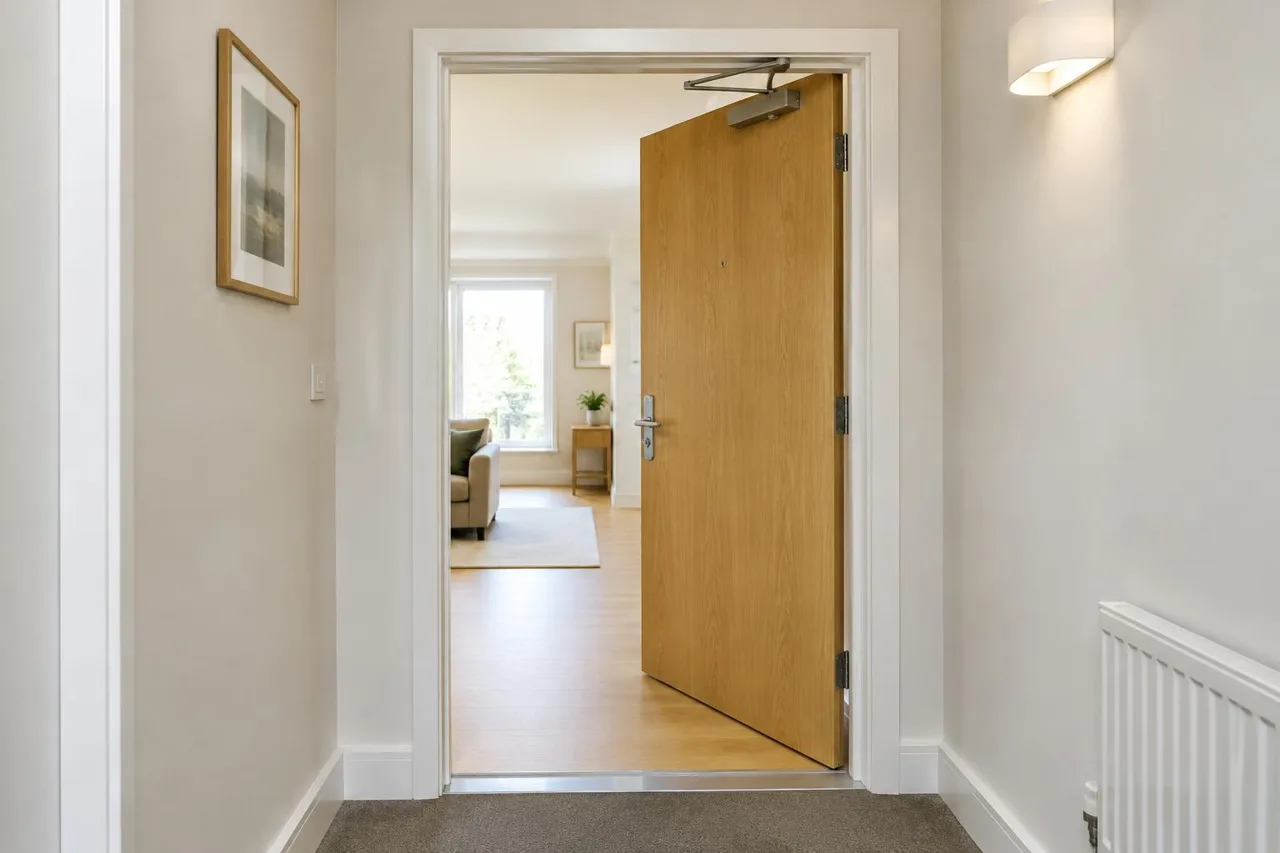
    Awais Sarwar’s supplied legislation guide, page 5. Where access is unavailable, record what was seen, what could not be checked and the next action. Keep the date and reason separately from a completed inspection record.

    An unanswered knock or corridor-only observation must not become a recorded full pass.

    Awais Sarwar, MSc — Fire Risk Assessor & Fire Safety Consultant, IFSM-registered, National Fire Risk Assessor Register ID 1576

    Records that help the next person

    Use a door identifier, location, date, checker, access status, findings, photographs where appropriate, recommended action, priority and action owner. Record the evidence of later work against the same door ID without erasing the original defect. A clear action trail is more useful than an undocumented overall pass/fail label. Any personal resident-access details should be handled proportionately and shared only with those who need them.

    Escalate defects and uncertainty

    Respond according to the risk and the effect on protection or escape routes; a reported fault need not wait for the next appointment. Arrange competent maintenance or further assessment as required. Do not promise that replacing one component proves the whole door assembly’s fire resistance. Detailed suitability investigations, concealed-construction questions and installation work require scope and competence beyond the basic checklist.

    After repair: close the loop

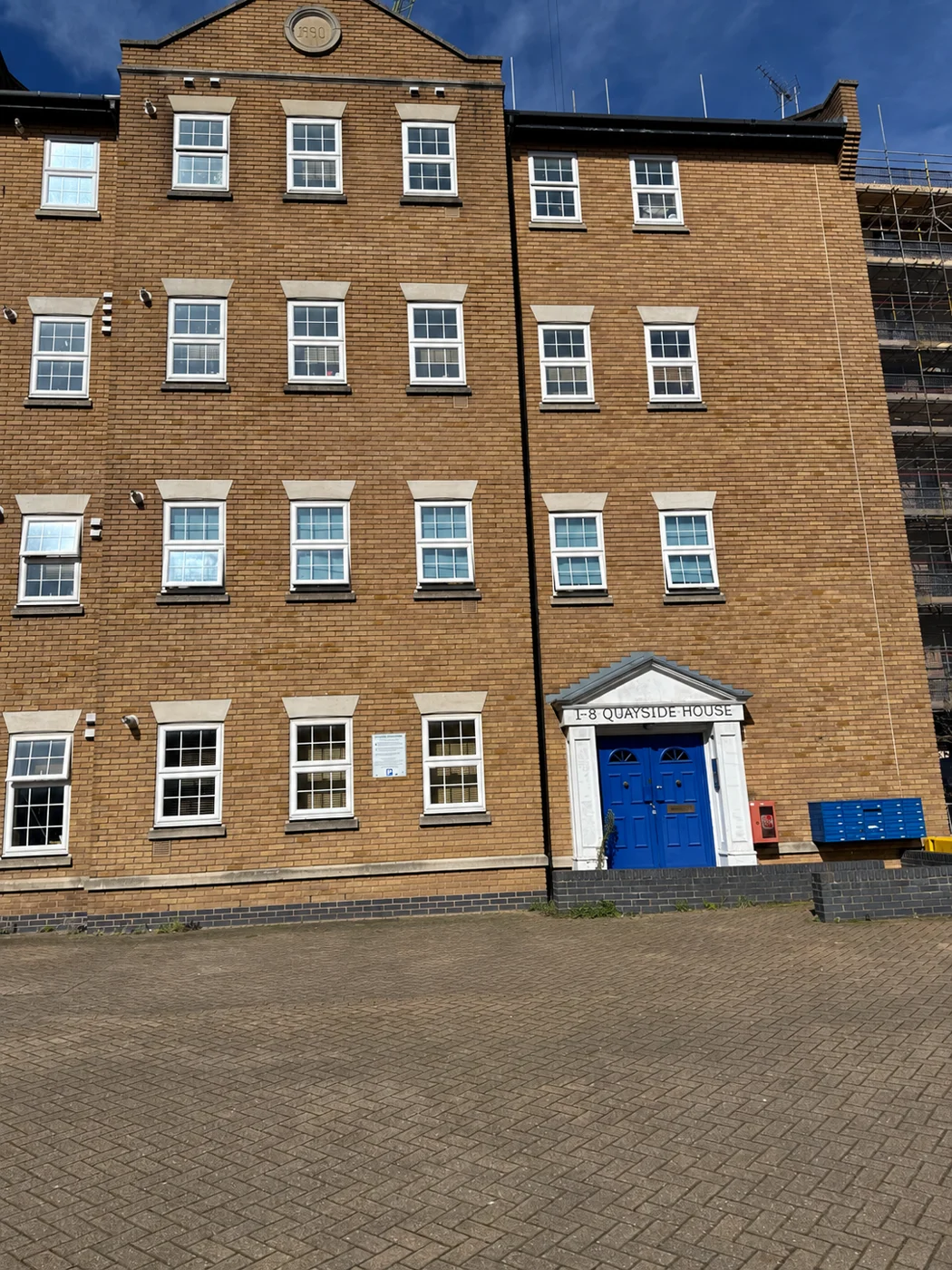
    Keep relevant repair information and arrange review of the identified changes where appropriate. Distinguish reported completion from inspected follow-up. At Quay Side House, the supplied original record and Awais’s follow-up account illustrate this sequence, not a universal failure rate. The building’s ongoing FRA and maintenance arrangements continue after a single follow-up visit.

    Checklist limits and frequency

    This checklist supports planning and routine records; it is not a DIY certificate or blanket instruction for unfamiliar doors. Government guidance says routine checks do not normally require a specialist, but the checker must understand the scope and escalation. Apply the actual height-specific timetable, with risk-based maintenance below the threshold and attention to known faults between checks.

    Awais Sarwar, Fire Risk Specialists

    Material supplied by

    Awais Sarwar, MSc

    Fire Risk Assessor & Fire Safety Consultant

    8 min readFacts verified 16 October 2026

    Adapted from material supplied by Awais Sarwar on 14 October 2026; legal source links checked for this edition. No separate new technical review is claimed.

    Sources

    1. BS 9792:2025 housing fire risk assessment; conversion of withdrawn PAS 79-2:2020 — BSI
    2. Fire Safety (England) Regulations 2022: fire door guidance (revised August 2025) — GOV.UK
    3. Fact sheet: Fire doors (Regulation 10) — GOV.UK
    4. Regulation 10: fire doors — legislation.gov.uk
    5. Regulatory Reform (Fire Safety) Order 2005 — legislation.gov.uk
    6. Fire Safety Act 2021: commencement and scope — GOV.UK
    7. Section 156: fire safety responsibilities — GOV.UK
    8. Grenfell Tower Inquiry Phase 1: government response — GOV.UK
    9. Grenfell Tower Inquiry Phase 2: government response — GOV.UK
    10. Residential PEEPs: guidance for Responsible Persons — GOV.UK

    Was this page helpful?

    Frequently asked questions

    Call the team