



The short answer: the sale has exposed an existing building duty
This is one of the most common urgent calls I receive from flat owners in London. A transaction has reached the later stages, the buyer's solicitor has asked for the building's fire risk assessment, and nobody can immediately produce a current copy. The natural reaction is: ‘Why do I suddenly need this to sell my flat?’ The important nuance is that the sale did not normally create the duty. For a building containing two or more flats, the Regulatory Reform (Fire Safety) Order 2005 can apply to the common parts and imposes an ongoing duty on the Responsible Person to assess fire risk. Conveyancing has simply put the building's records under scrutiny. That distinction matters because it tells you who should act, what document is actually needed and why ordering an assessment of only the private flat would usually answer the wrong question.
The question I ask first is not ‘when are you completing?’ It is ‘who controls the common parts, and do they already hold a current fire risk assessment and action plan?’ That usually identifies the fastest lawful route through the problem.
Awais Sarwar, MSc — Fire Risk Assessor & Fire Safety Consultant, IFSM-registered, National Fire Risk Assessor Register ID 1576
Is a fire risk assessment legally required to sell a flat?
Not as a separate statutory precondition to transferring the title of an individual flat. There is no general rule saying a leaseholder must commission a new FRA before exchange or completion. The legal requirement is broader and older: where the Fire Safety Order applies, the Responsible Person must make a suitable and sufficient assessment of risks to relevant persons and keep it under review. The buyer's conveyancer, lender or surveyor may then request evidence that this building-wide duty has been met. If the evidence is absent, the transaction can pause while enquiries are answered, risks are clarified or remedial liabilities are understood. That is a practical conveyancing obstacle, not a new legal duty created by the sale itself. Describing the position accurately avoids wasting money on the wrong inspection and avoids suggesting that a single leaseholder can discharge a building-wide obligation they do not control.
Who is responsible: seller, freeholder, managing agent, RTM or RMC?
Ownership of one flat does not automatically make its seller the Responsible Person for the block. In a conventional leasehold building the role commonly sits with the freeholder or landlord because they control the common parts. Day-to-day control may be delegated to a managing agent, although appointing an agent does not necessarily erase the freeholder's own duties. In a right-to-manage building, the RTM company may control the relevant areas. A resident management company can also hold duties, and its directors should not assume that being volunteers removes the legal responsibility. Some buildings have more than one person with duties to the extent of their control, which is why the lease, management agreement and actual working arrangements matter. The seller should start with the party that supplies the management pack and service-charge information, ask for the current FRA and action plan, and copy the conveyancer so the request is recorded.
| Typical role | What to request or provide | |
|---|---|---|
| Flat seller | Supplies information held and raises the request promptly | Ask the managing party for the current FRA; do not claim personal responsibility without checking |
| Freeholder / landlord | Often controls common parts and may be the Responsible Person | Current FRA, action plan and evidence of completed priority works |
| Managing agent | Usually coordinates records, access and contractors | Management pack response, FRA copy and clear status of outstanding actions |
| RTM / RMC | May hold control and statutory duties for the block | Board-approved access, records and instructions where a new FRA is required |
| Buyer / lender | Assesses transaction and lending risk | May raise further enquiries about findings, costs, cladding or planned works |
What parts of a block or converted house does the assessment cover?
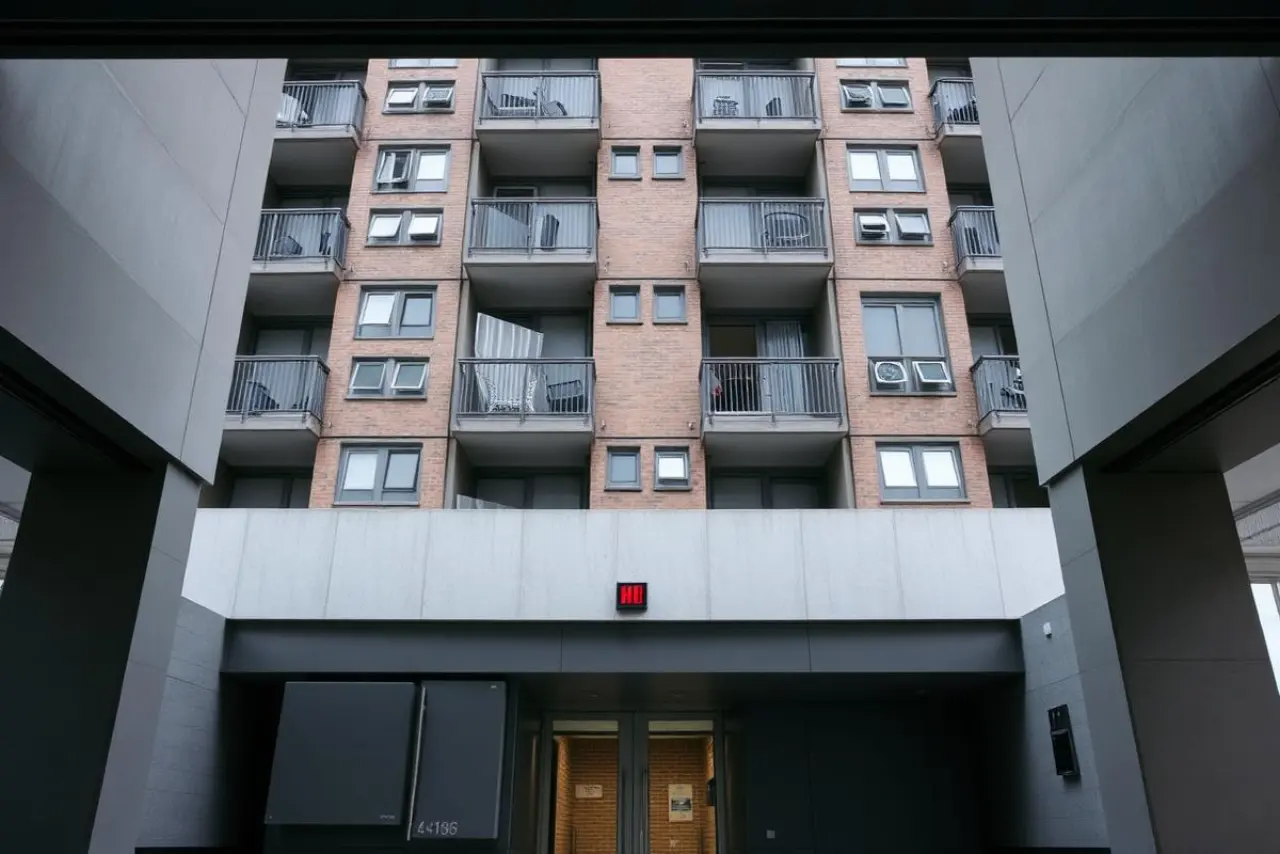
For a typical block, the assessment focuses on the parts used in common: entrance halls, corridors, lobbies, staircases, final exits, bin and bike stores, electrical or plant cupboards, risers, basements, roof spaces and external escape routes where relevant. The inside of a private domestic flat is generally outside the Fire Safety Order, but the boundary is not as simple as ‘outside the front door’. The Fire Safety Act 2021 clarified that the Order applies to the building's structure and external walls—including doors or windows in those walls and anything attached such as balconies—and to doors between domestic premises and common parts. That means a flat entrance door opening onto the communal route is directly relevant because it protects that route from smoke and fire. A competent assessor also considers how compartmentation, warning arrangements and management support the building's evacuation strategy.
Does a tiny 2m × 2m communal hallway count?
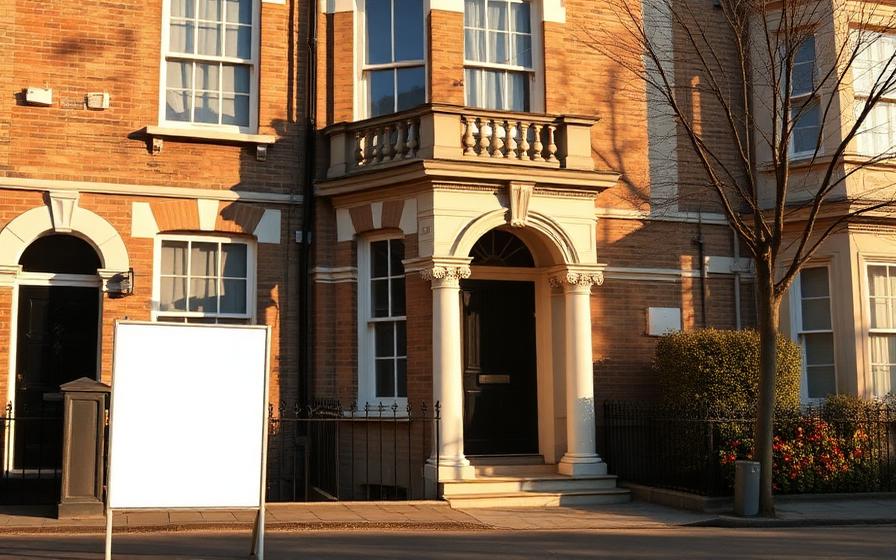
It can. I regularly hear that a converted Victorian house has only two flats and a tiny shared entrance, so the owners assumed an assessment could not be necessary. The Fire Safety Order does not provide a general exemption simply because the common area is small. If more than one household uses a shared entrance, hall, stair or final exit, that space can be common parts to which the Order applies. The assessment should be proportionate: a short hallway in a two-flat conversion is not assessed as though it were a twenty-storey tower. But small dimensions do not remove hazards such as an unprotected electrical intake, combustible storage, a defective entrance door, an escape route requiring a key, or smoke entering the only way out. Proportionality changes the depth and recommendations; it does not create an automatic exemption.
- A purpose-built block with two or more flats and any shared route
- A Victorian or Edwardian house converted into flats with one common entrance or stair
- A mixed-use building where flats escape through or beside commercial accommodation
- A maisonette arrangement with a shared internal lobby or external access deck
- A small resident-managed building where no professional managing agent is appointed
Why the buyer's solicitor asks for the report
A leasehold purchase is not only the purchase of rooms behind a front door. The buyer also takes on a lease, contributes to service charges and may inherit exposure to future major works. Their solicitor therefore asks the landlord or managing party a structured set of enquiries, commonly through the LPE1 process and supporting management pack. Fire-safety information helps reveal whether the block is being managed lawfully, whether serious findings remain open and whether expenditure may be planned. A lender and valuer may have separate requirements. The request is not proof that the building is unsafe, and an FRA is not a pass certificate; it is a risk assessment with significant findings and an action plan. A current report that records manageable actions can be more reassuring than silence, an expired report or an unsupported statement that ‘everything is compliant’.
Where fire-safety enquiries arise in conveyancing
Offer acceptedStart
The seller instructs a conveyancer and requests the leasehold management pack early rather than waiting for the buyer's questions.
Management enquiriesEarly enquiries
The freeholder or managing agent supplies LPE1 information and supporting documents, which may include the FRA and evidence about works.
Buyer and lender reviewDue diligence
The conveyancer, valuer or lender considers whether documents are current and whether material actions or costs remain unresolved.
Further enquiriesPotential delay
Missing dates, serious findings, cladding issues or unclear responsibility can lead to questions and requests for evidence.
ResolutionBefore exchange
The existing report is accepted, clarification is supplied, or the Responsible Person commissions an updated assessment and records the response.