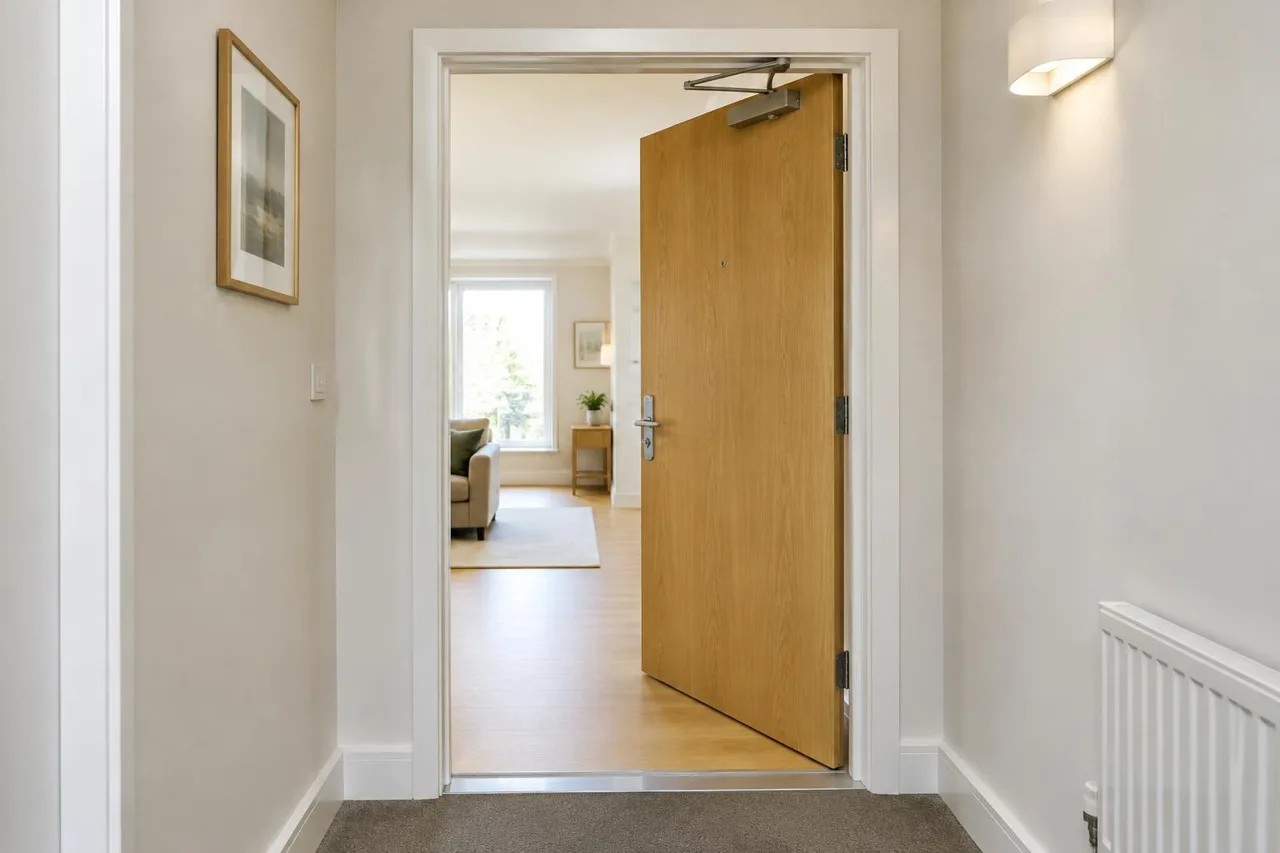
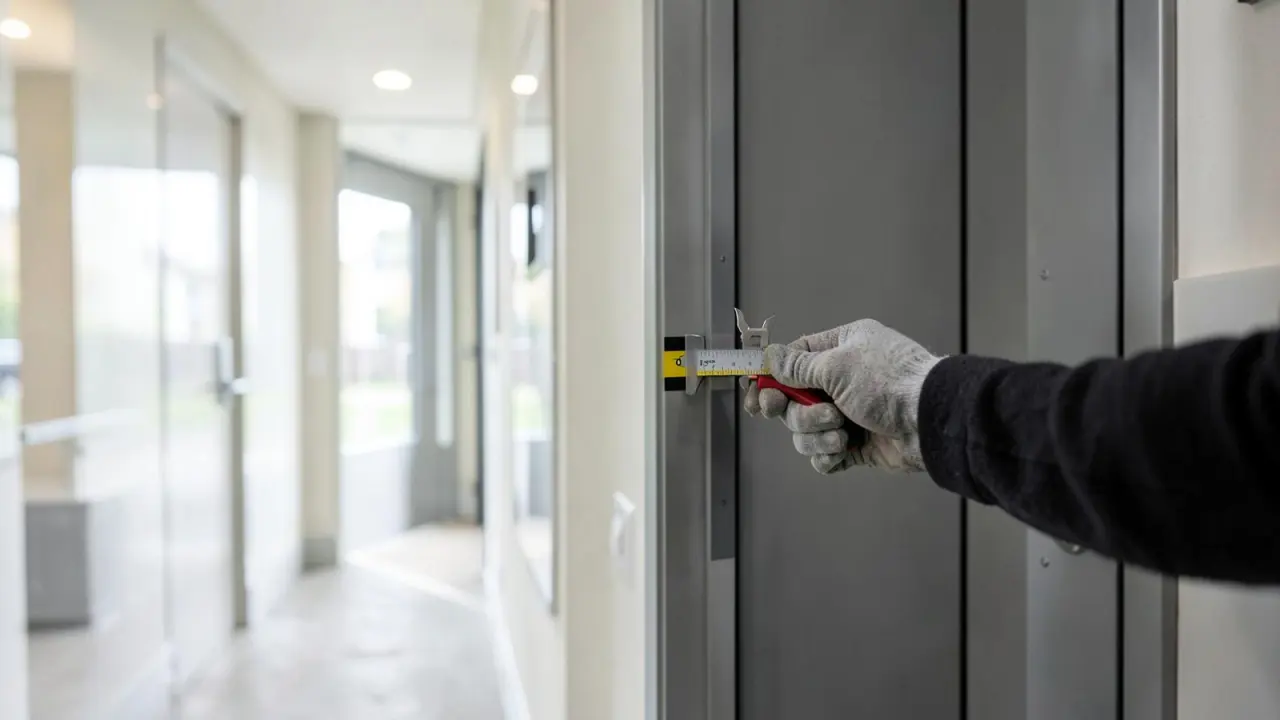





Start with the building and dutyholder
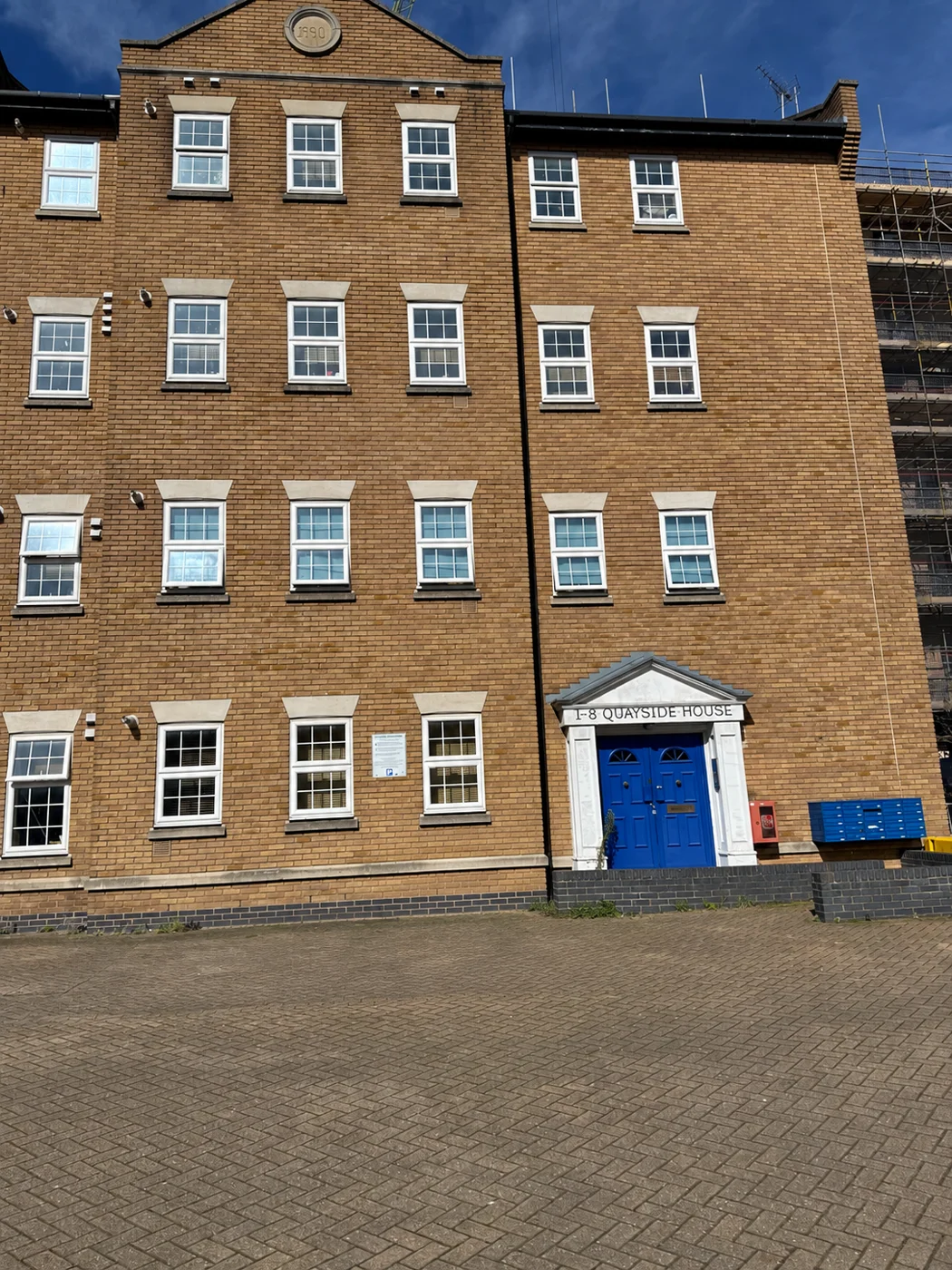
A programme is a management arrangement rather than simply a repeat order. Identify the Responsible Person, the parties with control and the resident contact team. Confirm the statutory height measurement and whether the building is within the residential scope of the 2022 Regulations. Smaller or lower-rise blocks may still benefit from planned checks, but their timetable must reflect the FRA and condition rather than an incorrectly imposed Regulation 10 threshold.
Build a door register that can be maintained
Use a consistent identifier for each communal door and flat entrance, with location, relevant type, last check, access status, findings and next action. Establish how replacements and alterations are added to the register. A resident’s front door is not interchangeable with a lobby door; a consistent list prevents repeated checks of easy doors while others go unvisited. The above-11m duty is not a sample-only check.
Separate the quarterly and annual workstreams
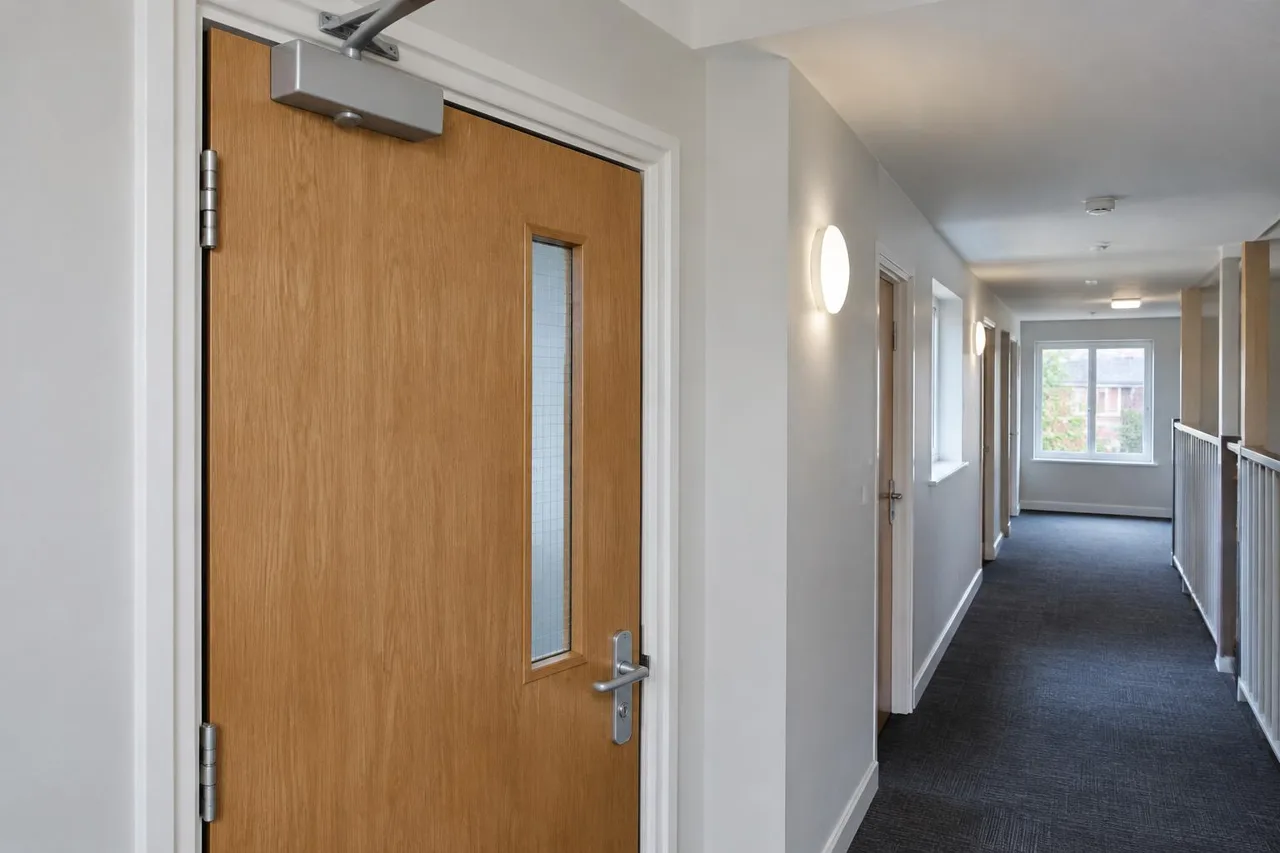
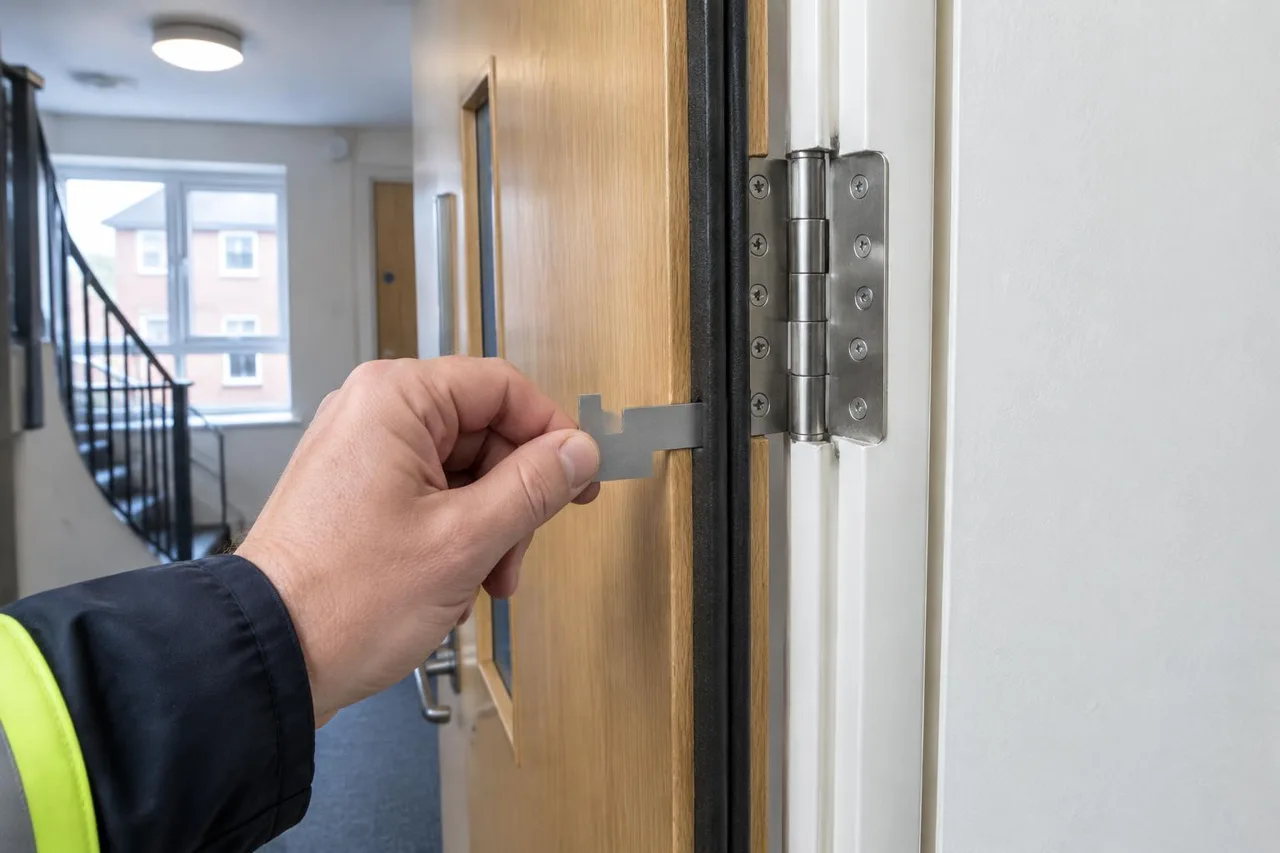
For relevant blocks with a top storey more than 11 metres above ground, communal fire doors must be checked at least every three months. Best endeavours must be used to check every flat entrance fire door at least every 12 months. Schedule those workstreams separately and also respond to reported faults between appointments. The minimum interval is not permission to leave a failed closer unaddressed until the next quarterly visit.
Plan resident access, do not just knock once
Agree who issues notices, offers appointment windows and keeps correspondence. Maintain reasonable access opportunities and the reasons a check could not be completed. A full check needs both sides and operation, so record a corridor-only view as limited. Persistent refusal should be escalated through the dutyholder’s lawful access arrangements. This service does not create a new right to force entry or resolve lease disputes.
Connect findings with action and follow-up
After each attendance, reconcile completed and incomplete checks with the register. Record action owners, priorities and evidence of competent work. Follow-up checks can review specified remedial items where agreed. Distinguish a contractor saying work is finished from a record of what was reviewed. Questions about product suitability or concealed construction may require a separate competent assessment rather than another basic operational check.
Resident information and wider records
In relevant residential buildings, fire-door information applies at all heights: keep doors closed when not in use, do not tamper with self-closers and report faults promptly. Provide information to new residents as soon as reasonably practicable and at intervals of no more than 12 months. Keep these communications connected to the FRA, maintenance and Section 156 records. Separate 2026 residential evacuation-planning duties should not be presented as included in a routine door visit.
One building or a portfolio
For multiple blocks, agree a schedule and register structure that preserves each building’s own scope, height, access and dutyholders. Do not average compliance across an estate or treat one successful appointment as evidence for every block. We can discuss coordination and reporting needs before instruction, without promising a proprietary resident portal, automatic reminders or attendance commitments not included in the agreed service.
What your programme quote must specify
Confirm the number of buildings and doors, included communal and flat entrance visits, resident communications, access reattempts, reporting and follow-up. Decide what happens when counts change or further work is identified. £300 for the first 10 doors, then £18 for each additional door, including VAT. Your fixed fee is confirmed before booking after we review doors, access and reporting. Included visits and any additional attendance charges must be agreed before booking. Use the one-off inspection service if your immediate need is a defined site visit rather than an ongoing management programme.
An inspection report alone does not repair a defective door or establish that the whole building is safe.
Awais Sarwar, MSc — Fire Risk Assessor & Fire Safety Consultant, IFSM-registered, National Fire Risk Assessor Register ID 1576
Awais Sarwar’s supplied legislation guide, page 1. Service copy adapted from Awais’s supplied material.