The Regulatory Reform (Fire Safety) Order 2005 explained
The single piece of law behind almost every fire safety duty in England and Wales, translated out of statute-speak by assessors who work against it every week.
The Regulatory Reform (Fire Safety) Order 2005 is the main fire safety law for non-domestic premises and the common parts of residential buildings in England and Wales. It replaced fire certificates with a duty on the 'responsible person' to assess fire risk, remove or reduce it, and maintain precautions such as escape routes, alarms and fire doors. Fire and rescue services enforce it, with penalties up to unlimited fines and two years' imprisonment for the most serious breaches. Almost everything else in UK fire safety law — the Fire Safety Act 2021, the Fire Safety (England) Regulations 2022, even parts of the Building Safety Act 2022 — sits on top of this one Order rather than replacing it.
Article 3 — often the freeholder or managing agent
Maximum penalty
Unlimited fine + 2 years
Article 32, most serious offences
Written assessment threshold
5+ employees
In practice expected for almost all multi-occupied blocks
What the Order replaced and why it exists
Before October 2006, when the Order came into force, fire safety in workplaces and other non-domestic premises was governed by a patchwork of around 70 pieces of legislation, including the Fire Precautions Act 1971 and its certification regime. The Order swept almost all of that away and replaced it with a single, risk-based duty: instead of a fire authority inspecting a building and issuing a fire certificate that was rarely revisited, the person in control of the premises now has an ongoing legal duty to assess the risk themselves and keep the assessment current. This shift from prescriptive certification to self-assessment against a general duty is the single most important thing to understand about the Order.
There is no certificate to renew and no fixed expiry date attached to compliance under the Order.
No inspector signs off the premises as compliant at a single point in time — the duty is continuous.
There is no fixed checklist that automatically guarantees compliance; suitability and sufficiency are judged against the specific premises.
The responsible person carries the risk and the liability continuously, not just at the point of an inspection or a sale.
Scope: what premises are covered
The Order applies to virtually any non-domestic premises in England and Wales, and — critically for residential landlords and freeholders — to the common parts of buildings containing two or more sets of domestic premises. It does not apply inside a single private dwelling occupied by one household, but the moment there is a shared staircase, corridor, bin store, plant room or entrance lobby serving more than one household, that shared area falls within the Order's scope. Following the Fire Safety Act 2021, which resolved years of ambiguity after the Grenfell Tower fire, the Order was clarified to explicitly cover the structure and external walls of a building, including cladding, insulation and balconies, and individual flat entrance doors that open onto a common area.
Offices, shops, factories and industrial premises of every size.
Common parts of blocks of flats, maisonettes and mixed-use buildings, including Victorian conversions with as few as two flats.
Hotels, hostels and houses in multiple occupation, including individual let rooms in some HMO layouts.
Care homes, hospitals and schools.
Places of worship, sports grounds and entertainment venues.
Individual flat entrance doors and external walls, structure and cladding, since the Fire Safety Act 2021 clarification.
The core wording of the general duty
It is worth reading the Order's central duty in its own words at least once, rather than only ever encountering it summarised, because the phrase 'so far as is reasonably practicable' does real work in how enforcement officers and courts interpret it.
The buildings behind this advice
The responsible person: who carries the duty
Article 3 of the Order defines the 'responsible person'. In a workplace this is the employer. In non-workplace premises, or for parts of premises not exclusively a workplace, it is whoever has control of the premises in connection with a trade, business or other undertaking — typically the building owner, freeholder, landlord or managing agent acting on their behalf. There can be more than one responsible person for the same building, for example a freeholder responsible for the structure and common parts and a commercial tenant responsible for their own unit.
Article 22 requires each responsible person to take reasonable steps to cooperate and coordinate with the others where duties overlap.
Delegating day-to-day fire safety management to a managing agent does not automatically transfer legal liability away from the freeholder.
Both a freeholder and a managing agent can be prosecuted for the same incident depending on who had actual control of the relevant duty.
RTM company directors take on the responsible person role the moment right to manage is granted, whether or not they fully appreciate the scale of it.
The core duties, article by article
The Order's substantive duties run through a sequence of articles that together form the risk assessment and management cycle. We find most disputes with enforcement officers come down to which specific article a defect sits under, so it is worth knowing the map rather than only the general principle.
Article 8 — the general fire precautions duty: take reasonable general fire precautions so far as reasonably practicable.
Article 9 — the risk assessment duty: carry out a suitable and sufficient assessment, keep it in writing where five or more people are employed, and review it regularly and after any material change.
Article 11 — fire safety arrangements: have appropriate arrangements for planning, organising, controlling, monitoring and reviewing preventive and protective measures.
Article 13 — fire-fighting and fire detection: provide appropriate equipment and detection/alarm systems.
Article 14 — emergency routes and exits: ensure routes and exits are kept clear and lead as directly as possible to a place of safety.
Article 15 — procedures for serious and imminent danger: establish and give effect to appropriate evacuation procedures.
Article 17 — maintenance: ensure fire safety facilities and equipment are subject to a suitable system of maintenance.
Article 21 — training: provide employees with adequate fire safety training on induction and whenever risk changes.
Competent persons and the general duty of care
Article 18 requires the responsible person to appoint one or more competent persons to assist with the preventive and protective measures, and gives preference to appointing someone employed within the organisation before going outside it. Article 9 does not require the assessment itself to be carried out by a named 'certified' professional, but in practice a suitable and sufficient assessment of a multi-occupied residential building is a specialist task, and using a competent, independently verified assessor working to a recognised methodology such as PAS 79 is the only realistic way to demonstrate the duty has been discharged if the assessment is ever challenged after an incident.
Enforcement and inspection powers
Fire and rescue authorities enforce the Order, with the Health and Safety Executive taking the lead in a small number of specific premises types. Inspecting officers have a right of entry at any reasonable time under Article 27, and can require the production of the written fire risk assessment and supporting records on the spot. Where deficiencies are found, enforcement follows a broadly escalating scale rather than jumping straight to prosecution.
The enforcement scale under the Order
Informal advice or an information noticeFor minor or low-risk issues, usually confirmed by a follow-up letter
An enforcement noticeRequiring specified remedial steps within a set timescale
An alterations noticeWhere a proposed change to the building would increase risk unacceptably
A prohibition noticeRestricting or prohibiting use where risk to life is serious and imminent — can take immediate effect
Prosecution under Article 32Unlimited fines in the Crown Court and up to two years' imprisonment for the most serious offences
How the Order interacts with newer legislation
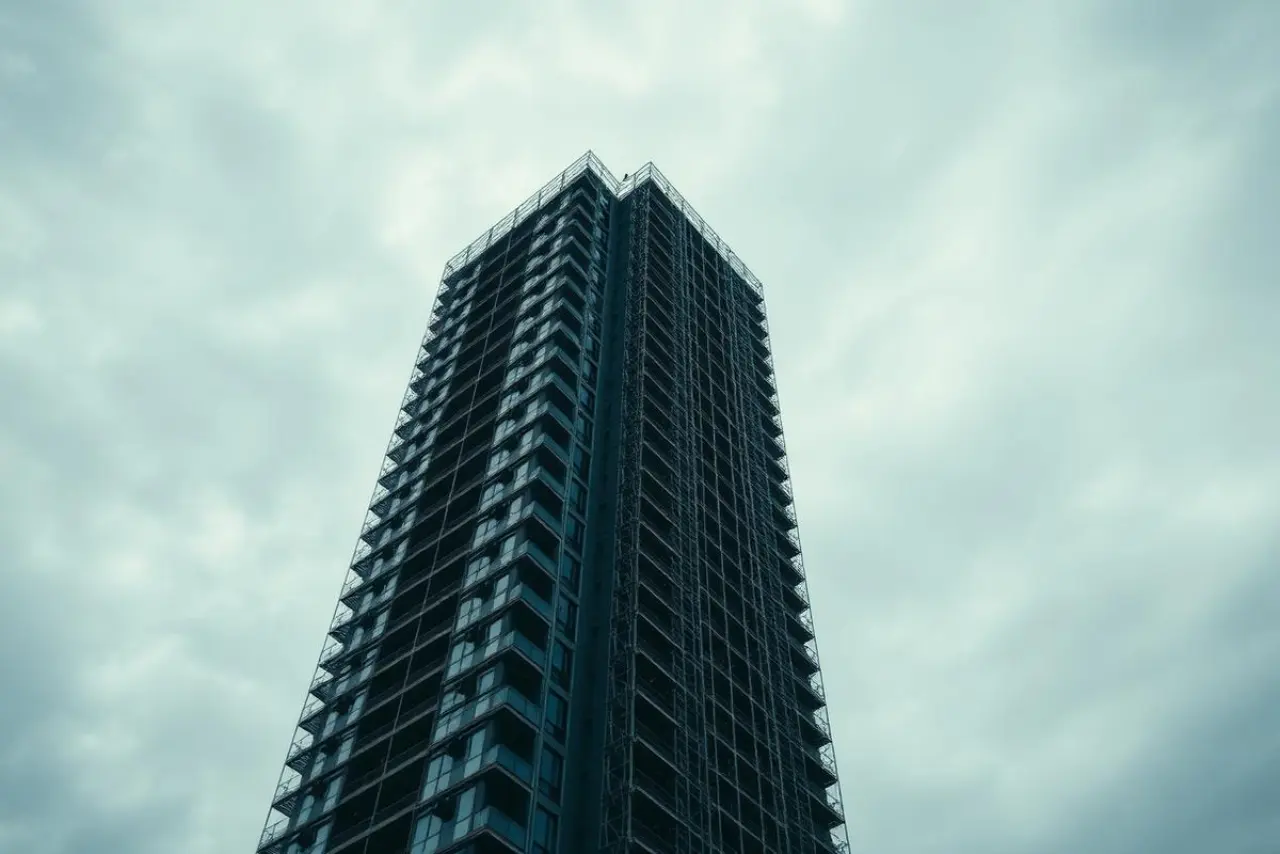
The Order remains the foundational duty for almost all buildings. The Fire Safety Act 2021 clarified its scope rather than replacing it. The Fire Safety (England) Regulations 2022 sit underneath the Order and translate its general duties into specific, checkable actions — quarterly fire door checks, resident information, wayfinding signage — for residential buildings above certain heights. The Building Safety Act 2022 introduces an entirely separate, additional regime specifically for higher-risk buildings, layering a stricter set of duties on top of, not instead of, the Order. A responsible person for a higher-risk residential building can therefore have duties under all three pieces of legislation simultaneously, which is where we see the most confusion among newer managing agents.
The Fire Safety Act 2021 confirmed structure, external walls, cladding, balconies and flat entrance doors fall within the Order's scope.
The Fire Safety (England) Regulations 2022 apply additional, height-triggered duties on top of the general Article 9 assessment duty.
The Building Safety Act 2022 applies only to buildings meeting the higher-risk threshold, and introduces the Building Safety Regulator, accountable persons and safety case reports.
None of the three newer regimes removes or reduces the underlying Article 9 duty to keep a suitable and sufficient assessment current.
How the Order applies differently across common London building types
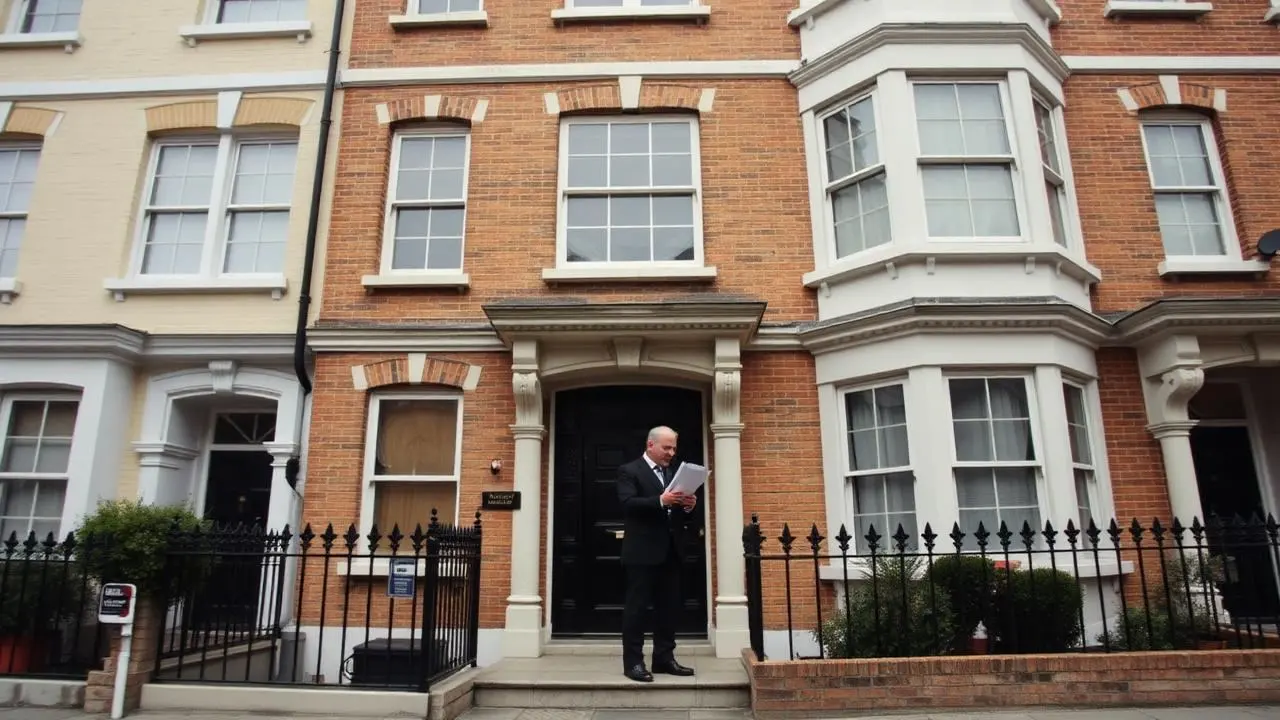
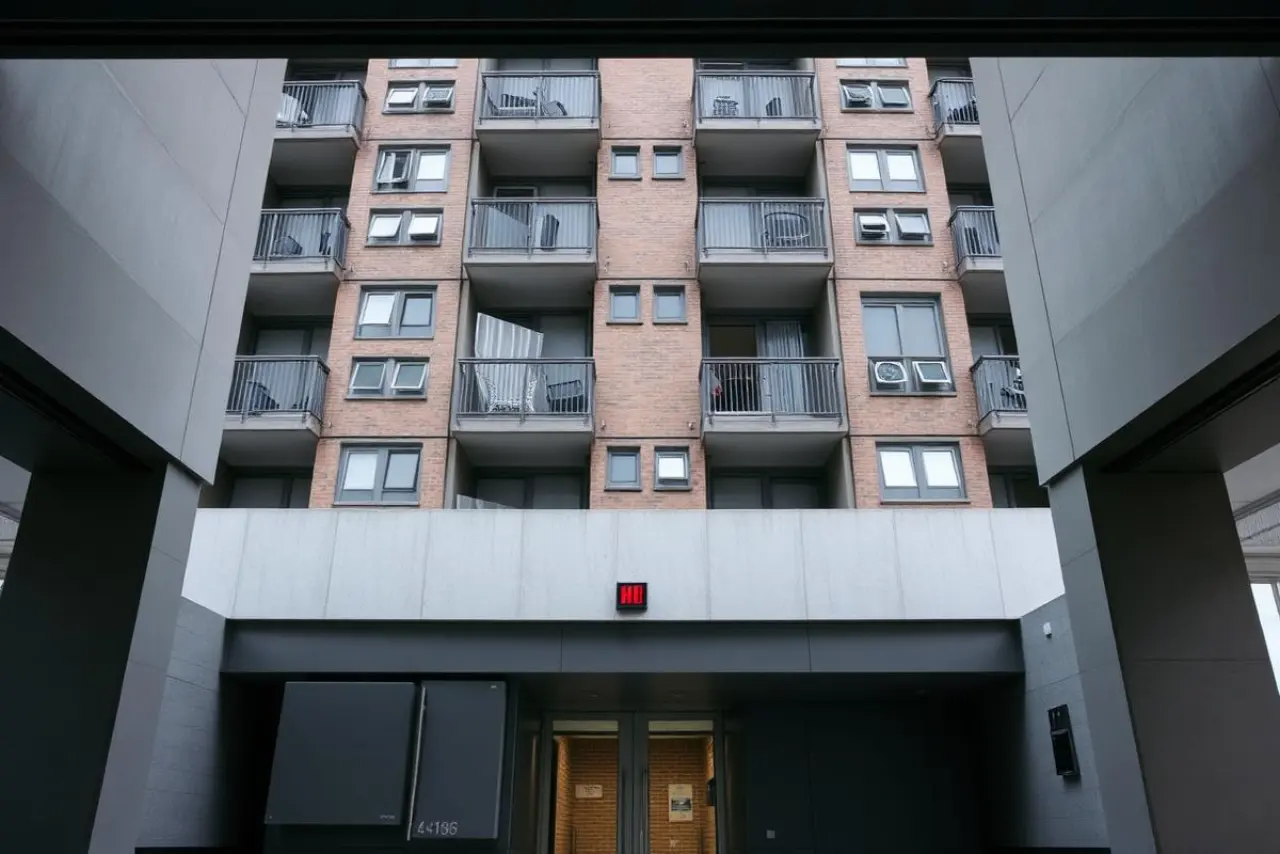
We see the same Order produce quite different practical duties depending on the building type, because the risk profile and the responsible person structure differ so much between them. A Victorian house converted into three flats with a shared hallway has a single, usually identifiable responsible person and a manageable scope. A large purpose-built 1960s estate with a resident management company, multiple blocks and a mix of leaseholders and tenants can have several overlapping responsible persons across the site, each needing to cooperate under Article 22. A licensed HMO adds a second regulatory layer through the local authority's licensing conditions, which frequently reference the same fire risk assessment required under the Order.
What a suitable and sufficient assessment actually needs to cover
The Order does not define 'suitable and sufficient' with a checklist, which is deliberate but frustrating for anyone trying to self-assess confidently. In practice, a defensible assessment needs to identify the fire hazards specific to the building, identify who is at risk and why, evaluate and reduce the risk from those hazards, record the significant findings and the action plan to address them, and set out a clear evacuation strategy appropriate to the building's actual physical condition rather than a generic assumption.
Identification of specific fire hazards present in the building, not a generic list copied from a template.
Identification of people especially at risk, including those needing evacuation assistance.
An evaluation of the risk from each hazard and the measures already in place to control it.
A recorded, dated action plan with named responsibility and target dates for each significant finding.
A clearly stated and justified evacuation strategy — stay put or simultaneous evacuation — matched to the building's actual compartmentation.