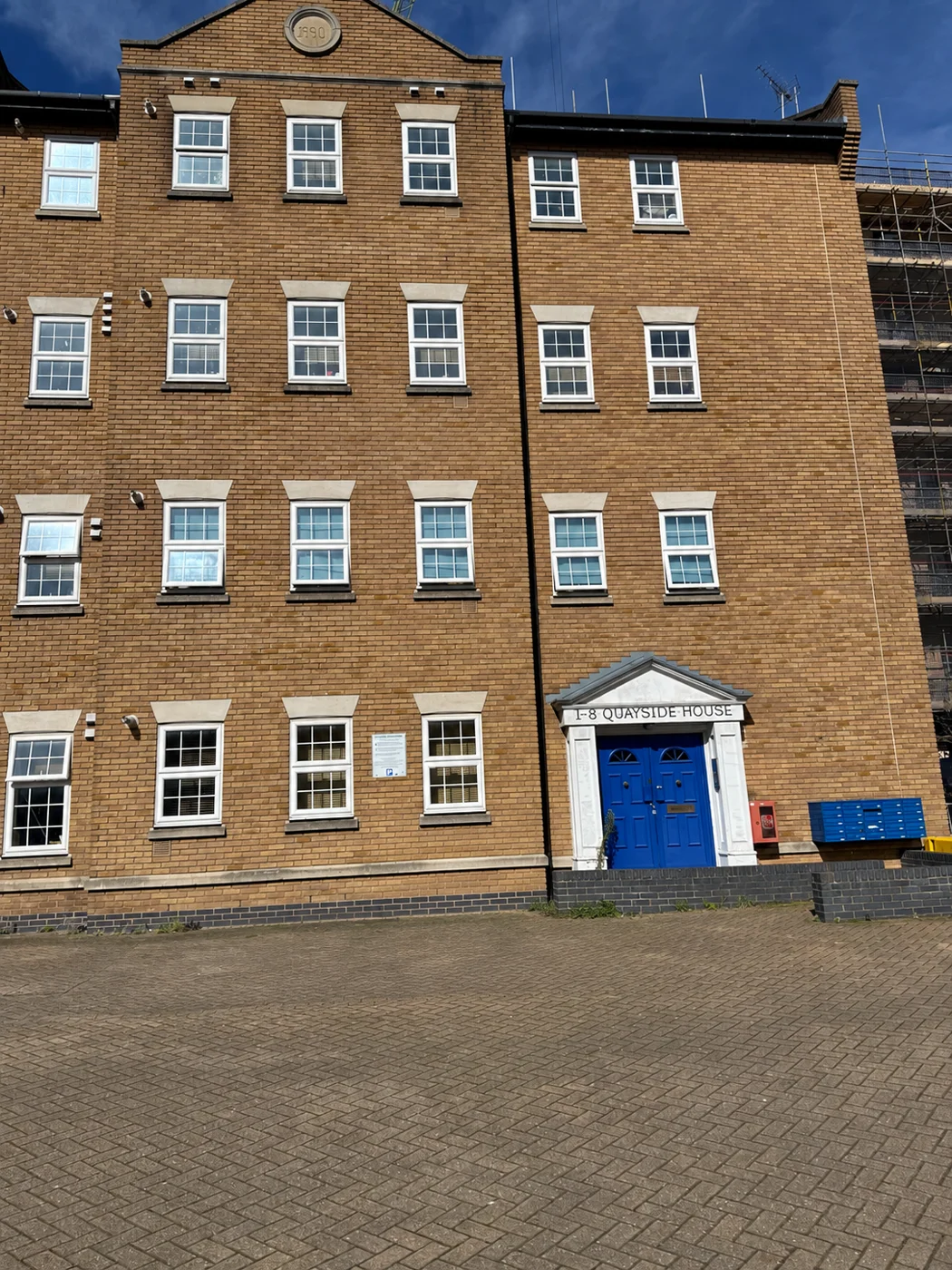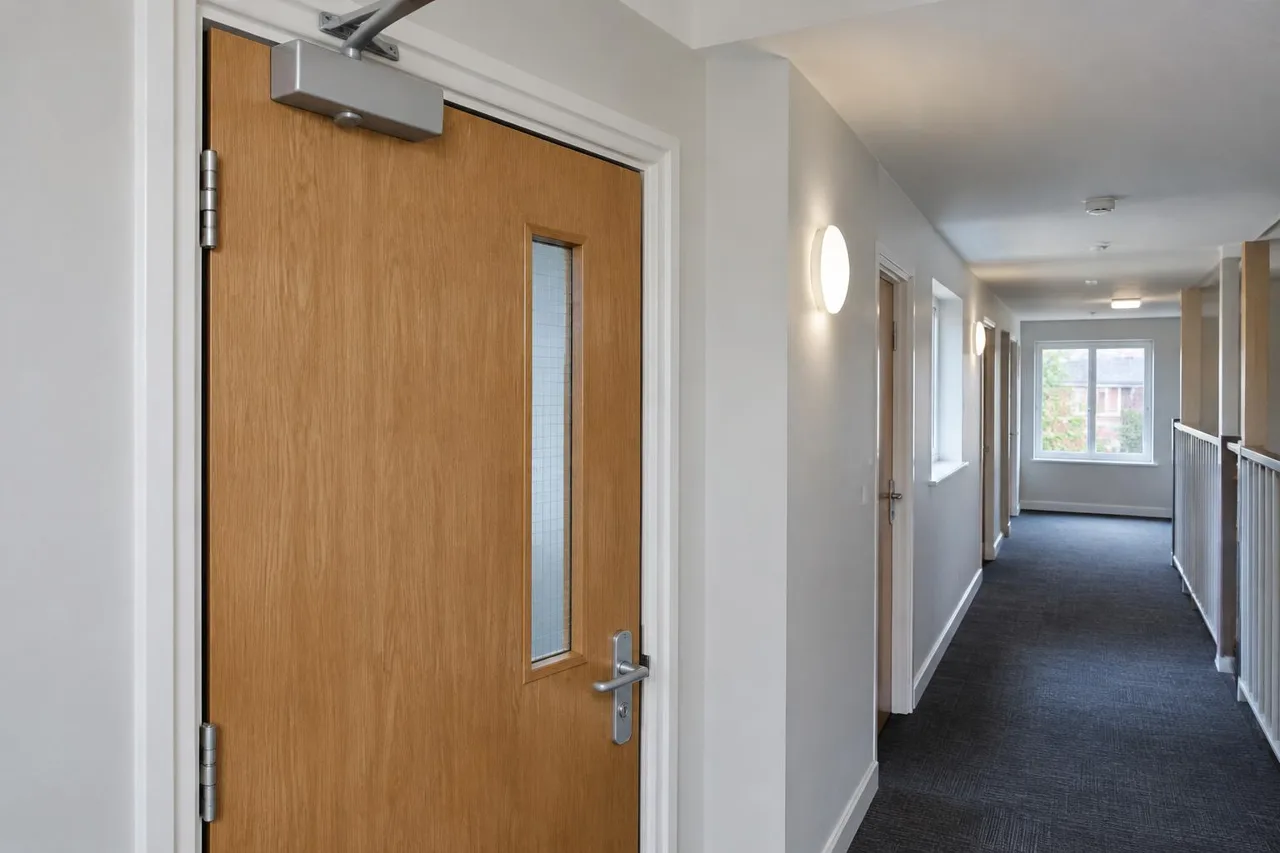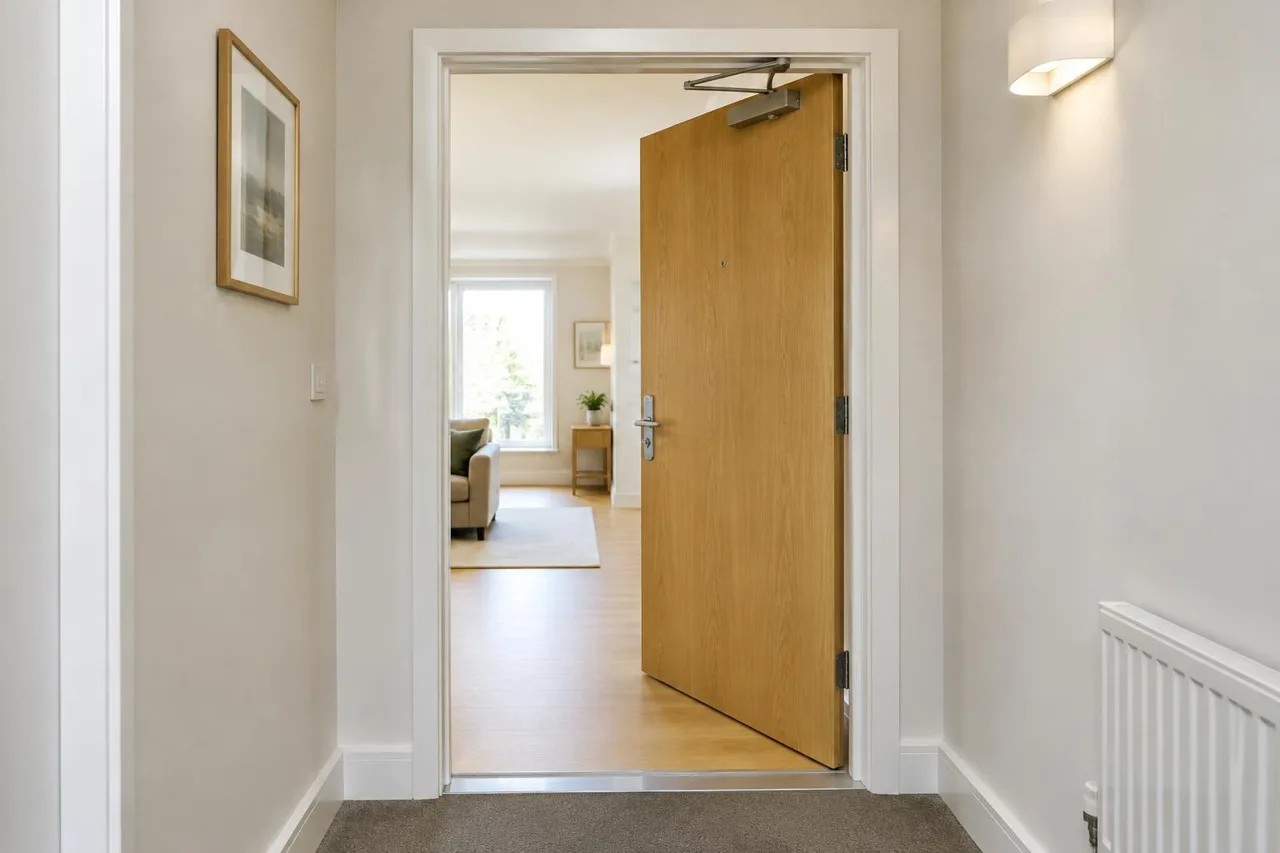





Converted and purpose-built blocks
We work with managing agents, freeholders, resident management companies and Right to Manage companies across London, including Wembley and surrounding boroughs. Converted houses can have a shared stair and a small number of flat entrances; purpose-built blocks may have corridors, lobbies, stairways and other identified communal doors. Construction history does not remove maintenance duties. The existing FRA, door condition, layout and use help define the appropriate inspection scope.
- Converted houses divided into flats
- Purpose-built residential developments
- Smaller low-rise blocks and larger developments
- One-off inspections or an agreed recurring programme
High-rise and low-rise: the threshold matters
Regulation 10 uses a top storey more than 11 metres above ground level, not the roof height and not an informal high-rise label. Exactly 11 metres does not trigger its specific annual/quarterly door timetable. At or below that height, suitable fire precautions, assessment and maintenance still matter; frequency follows risk, use and condition. The separate high-rise definition under the 2022 Regulations is at least 18 metres or at least seven storeys. Use statutory measurement rules rather than guessing from the number of floors.
What a visual and operational inspection covers
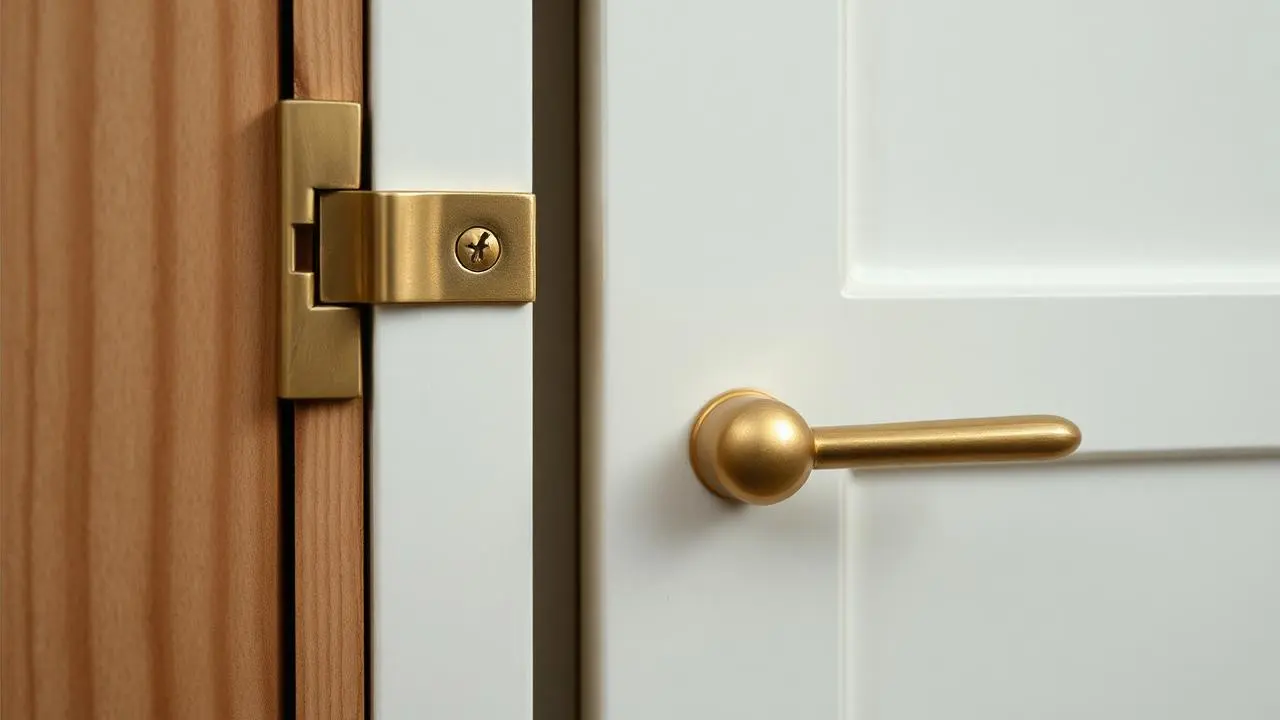
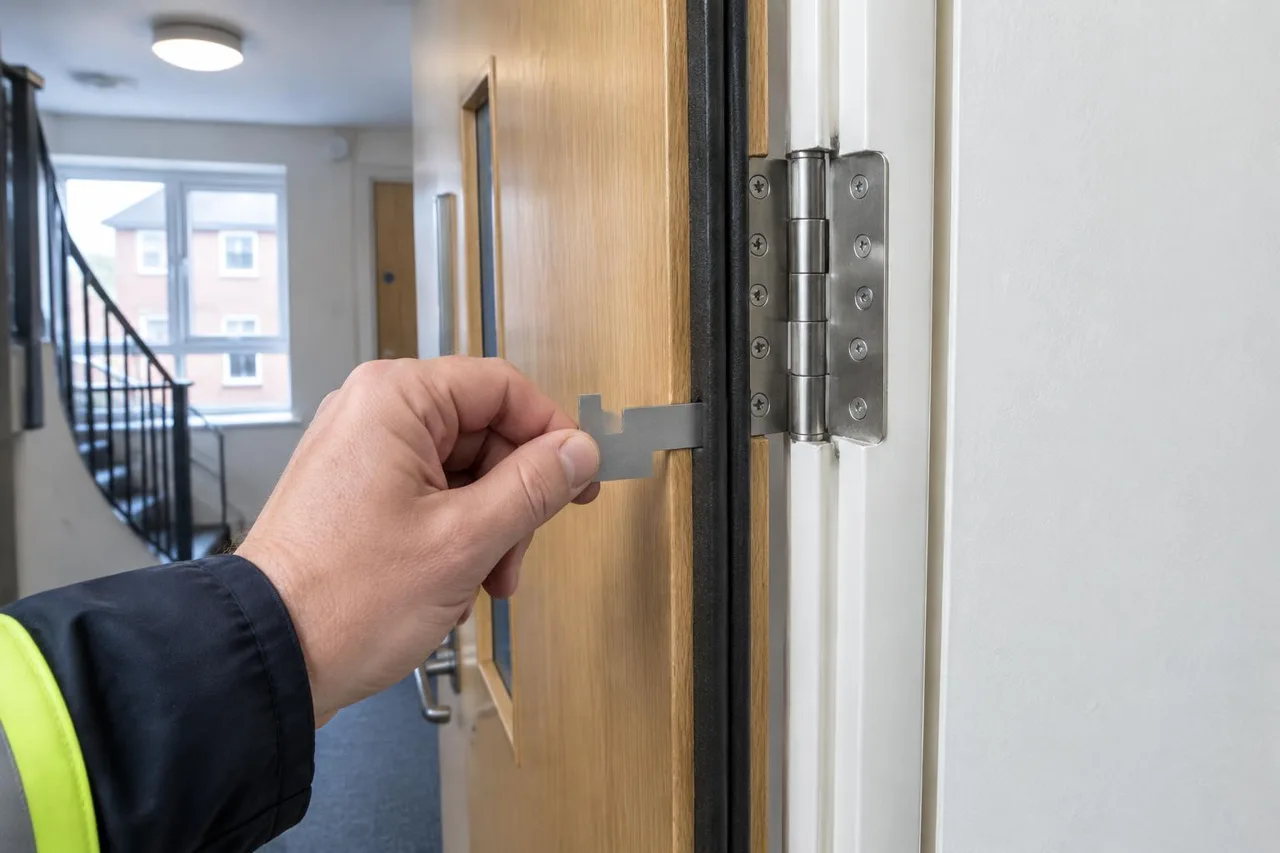
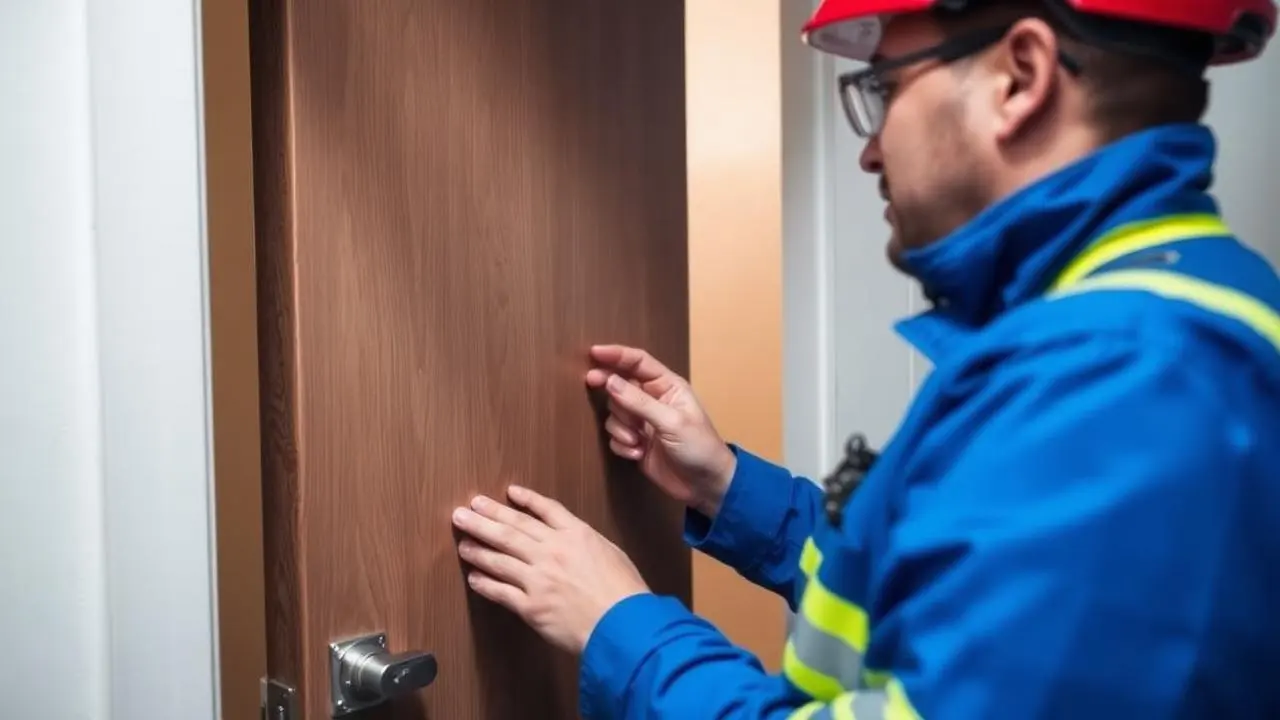
Our standard checks cover the accessible parts of each assembly within the agreed scope. We look for visible damage and alterations, poor fit, hinge or fixing defects, fitted seal condition, glazing damage and problems with relevant hardware. The closing action is checked from fully open and around 15 degrees. Routine checks are not laboratory fire-resistance tests, intrusive construction investigations or a replacement for the building FRA.
| Check | Accessible scope |
|---|---|
| Door leaf and frame | Visible damage, splits, distortion, loose components and alterations. |
| Gaps and alignment | Poor fit, rubbing, obstruction and excessive gaps; record measurements where relevant. |
| Hinges and fixings | Missing screws, looseness, damage and signs the door is dropping. |
| Self-closing action | Closure fully into the frame from fully open and around 15 degrees, overcoming any fitted latch or floor friction. |
| Seals, where fitted | Condition and continuity of strips and smoke seals; damage or interference. |
| Hardware and glazing | Relevant latches, locks, letterplates, panels and glazing; visible damage or alteration. |
| Identification and use | Door location, wedging, obstructions, relevant signage and replacement concerns. |
| Access and records | Both sides and operation for a complete flat entrance check; findings, restrictions and action owners. |
Resident access and incomplete checks
A complete flat entrance check needs both sides of the door and its operation. Arrange access with residents before the appointment. Where someone is unavailable or access is restricted, the report records precisely what could and could not be checked. Further visits can be included in an agreed programme or quoted separately. Corridor-only observations are not recorded as a complete pass, and an appointment attempt is not the same as an inspection.
Clear reporting and practical recommendations
You receive an inspection schedule with identified doors, recorded defects, photographs and recommended actions. Agree action owners and priorities, retain maintenance evidence and arrange further advice for questions about original specification, concealed construction or suitability. Our role is to describe the findings within scope, not to certify every door’s fire-resistance rating. The Responsible Person remains responsible for arranging appropriate action.
Older doors and certificates
The government’s revised August 2025 guidance warns against unnecessary replacement of suitable older doors. Missing product certification or modern seals does not alone establish that an existing door is unfit. Equally, uncertainty is not proof of an FD30 or FD60 rating. Consider adequacy through the FRA or an appropriately competent further assessment. IFSM membership and NFRAR registration are assessor credentials, not fire door product or installation certificates.
Inspection, action and follow-up
A useful appointment leads to a management process, not a report left on a shelf. Agree the scope, organise access, inspect and record, arrange competent action, then retain evidence of the relevant changes. Follow-up checks can be agreed to review remedial items; they do not imply a whole-building safety guarantee. If you need a recurring register and access programme, use our separate fire door inspection programme service.
Request a block inspection quote
Send the building address and postcode, approximate height or storeys, number of flats, communal door count, available FRA and previous register. Tell us whether you want one visit or recurring checks, who coordinates resident access and whether any known defect or deadline needs attention. We confirm the included scope and attendances before booking. £300 for the first 10 doors, then £18 for each additional door, including VAT. Your fixed fee is confirmed before booking after we review doors, access and reporting.
An inspection report alone does not repair a defective door or establish that the whole building is safe.
Awais Sarwar, MSc — Fire Risk Assessor & Fire Safety Consultant, IFSM-registered, National Fire Risk Assessor Register ID 1576
Awais Sarwar’s supplied legislation guide, page 1. Service copy adapted from Awais’s supplied material.