The Fire Safety (England) Regulations 2022: what they require
The specific, checkable duties added on top of the Fire Safety Order — door checks, secure information boxes and resident information, explained by threshold and by what we actually see checked on site.
The Fire Safety (England) Regulations 2022 add specific, height-triggered duties on top of the Fire Safety Order for residential buildings with two or more sets of flats. Depending on height, responsible persons must record the fire risk assessment in writing, provide resident fire safety information, display wayfinding signage, install a secure information box, and carry out quarterly communal and annual flat entrance door checks. They came into force on 23 January 2023, and responsible persons who have not yet implemented the full set of duties for their building's height band are already in breach.
More than 11m: communal and best-endeavours flat entrance checks
Second height threshold
18 metres / 7 storeys
Secure information box, monthly lift/equipment checks
Main duties in force from
23 January 2023
Including the secure information box duty
Origin and purpose
The Regulations were made under the Fire Safety Order following recommendations from the Grenfell Tower Inquiry Phase 1 report, which found that the fire and rescue service attending the fire lacked basic information about the building — floor plans, the location of firefighting lifts, and the identity of residents needing evacuation assistance. Rather than leave those recommendations as guidance, the government made them binding legal duties. They apply in England only, and sit underneath, not instead of, the general duty in the Fire Safety Order to carry out a suitable and sufficient risk assessment.
The regulation in its own words
It is worth reading the core scope provision directly, because the phrase 'two or more sets of domestic premises' is the single test that decides whether a small converted building falls inside or outside this regime entirely.
Who the Regulations apply to
The Regulations apply to the responsible person for any building containing two or more sets of domestic premises that share a common area — essentially any block of flats or maisonettes with a shared entrance, staircase, corridor or bin store. Single houses converted into self-contained flats with no shared areas fall outside scope, as does a single dwelling. Additional and more onerous duties apply as building height increases, using the height thresholds of 11 metres and 18 metres already familiar from Building Regulations guidance.
Purpose-built blocks of flats of any height with a shared entrance or corridor.
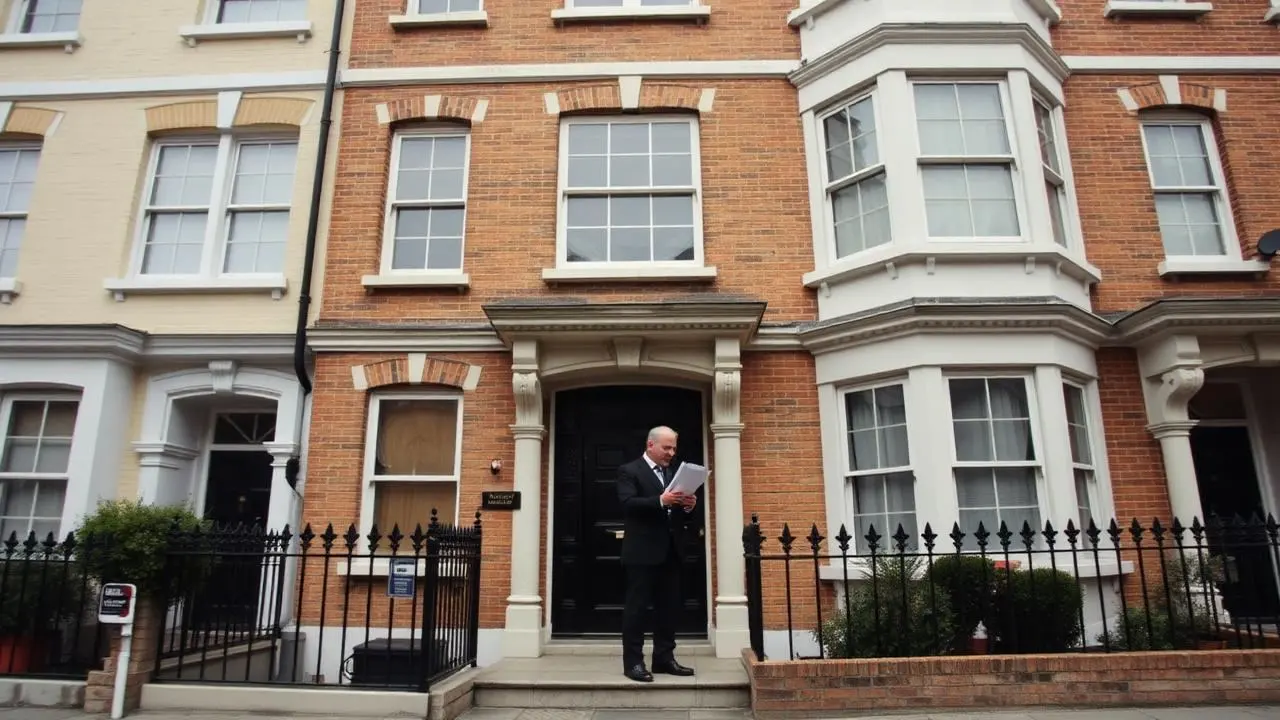
Converted Victorian and Edwardian houses split into multiple self-contained flats sharing a hallway or staircase.
Mixed-use buildings with residential flats above commercial units, where the flats share their own common parts.
Deck-access estates, where shared external walkways and stairs count as common parts for this purpose.
Duties applying to all relevant residential buildings
Regardless of height, if the building has two or more sets of flats sharing a common area, the responsible person must meet a baseline set of duties. These are the ones we find most commonly missing on smaller, older conversions where the freeholder has never previously needed anything beyond a basic fire risk assessment.
Record the fire risk assessment in writing, along with the name and qualifications or experience of whoever carried it out.
Provide fire safety instructions to residents on what to do in the event of a fire, appropriate to the building's evacuation strategy.
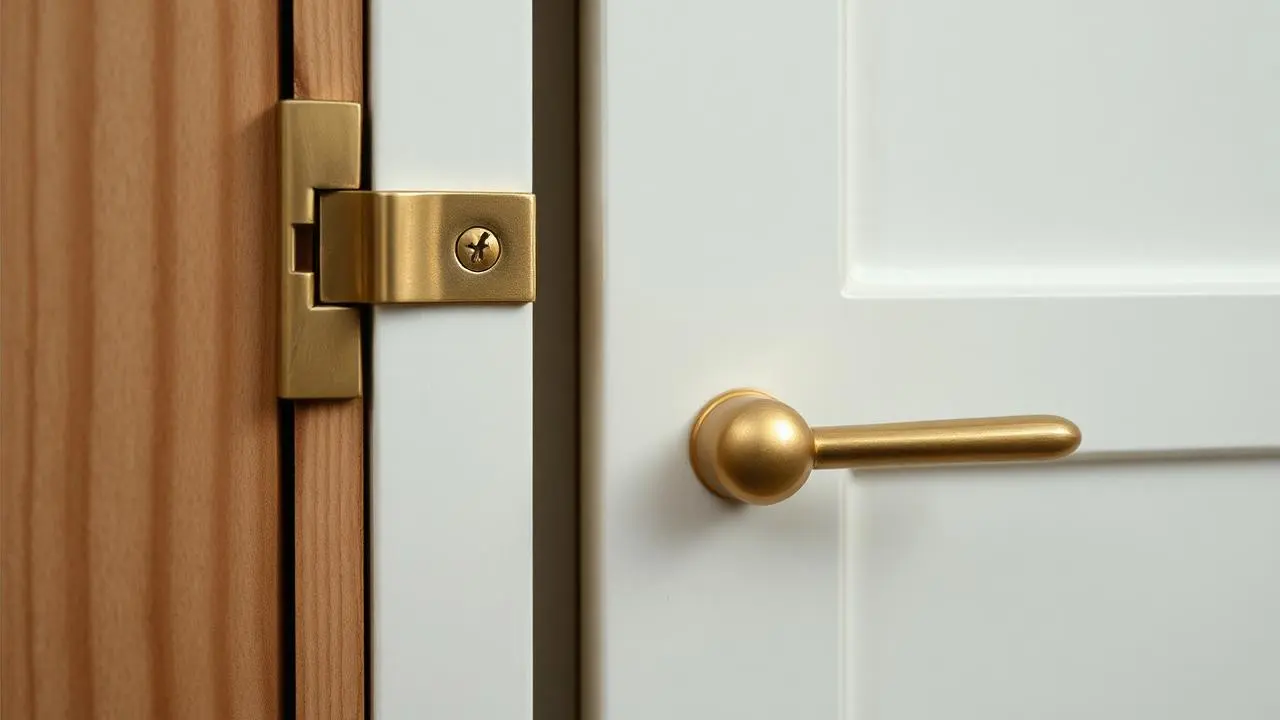
Provide residents with information on the importance of fire doors to their safety, including not to wedge them open or damage self-closing devices.
Take reasonable steps to identify each resident who may need additional support to evacuate, and share that information with the local fire and rescue service where relevant.
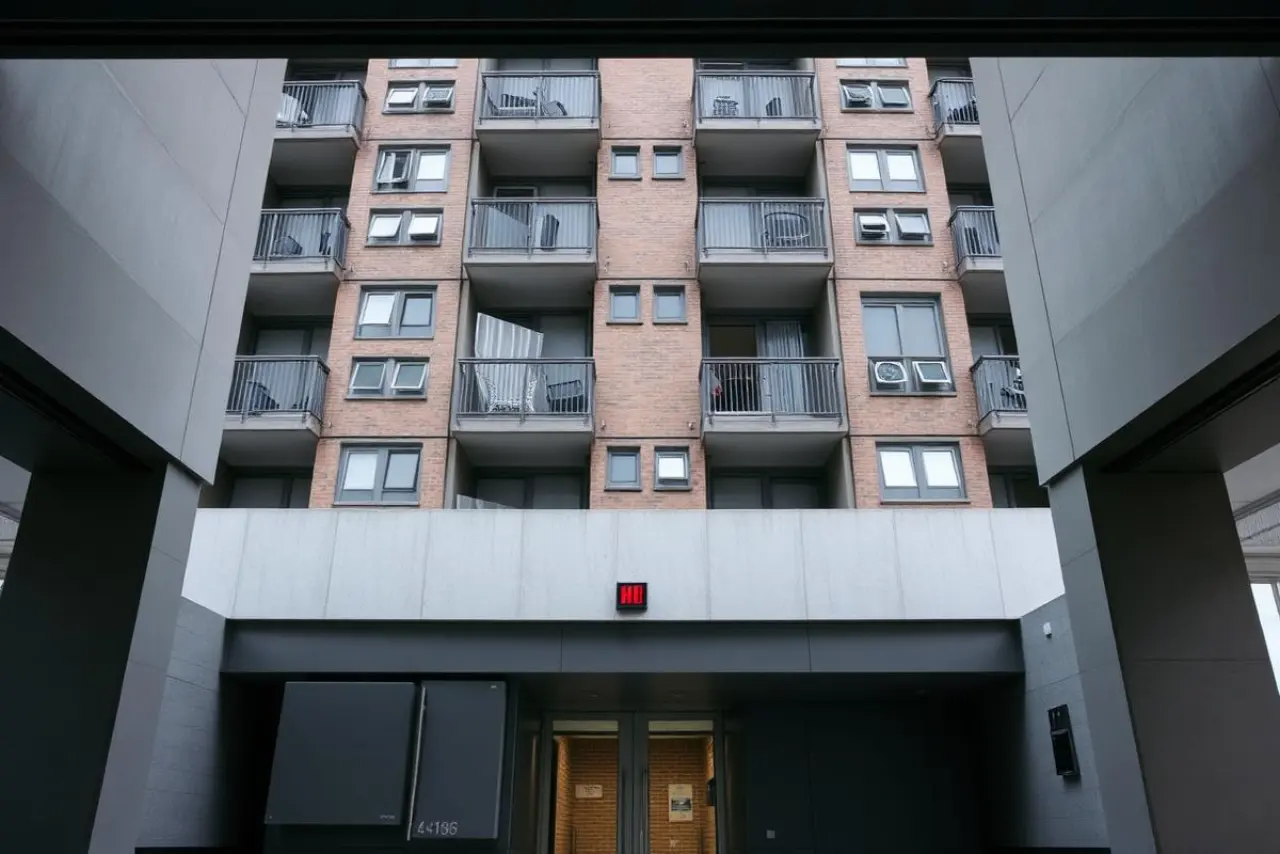
The buildings behind this advice
Additional duties for buildings over 11 metres
Above 11 metres in height, roughly five or six storeys, responsible persons take on more frequent, checkable inspection duties in addition to the baseline requirements. This is the threshold where we see the most day-to-day operational change for managing agents, because it converts fire door maintenance from a discretionary good-practice item into a mandatory, dated, recorded duty.
Quarterly checks of all fire doors, including self-closing devices, in the common parts.
Best-efforts annual checks of flat entrance doors that open onto a common area, confirming the door is a fire door, closes correctly onto the frame, and has no visible damage.
Wayfinding signage belongs to the separate high-rise tier: at least 18 metres or at least seven storeys.
Where a resident refuses access for the annual door check, the responsible person only needs to show reasonable attempts were made, but that refusal must be documented.
Additional duties for higher-risk buildings over 18 metres
Above 18 metres, or seven storeys, whichever is reached first, the highest tier of duties applies, largely aimed at giving the fire and rescue service the information and equipment they need on arrival at an incident. These duties overlap in purpose, though not in legal source, with parts of the Building Safety Act 2022 regime, which is a frequent source of confusion for accountable persons managing both sets of duties at once.
Install and maintain a secure information box at the building, typically near the main entrance, containing up-to-date floor plans and the responsible person's contact details.
Provide the local fire and rescue service with electronic and hard-copy building floor plans, and a single page building plan identifying key firefighting systems.
Provide information on the level, and any changes to the level, of any external wall material that could risk fire spread.
Undertake monthly checks of lifts intended for use by firefighters and of any evacuation lifts, reporting faults to the fire and rescue service where a lift is out of service for more than 24 hours.
Undertake monthly checks of essential firefighting equipment such as smoke control systems and dry or wet risers, reporting any that are not working.
What a secure information box actually contains
A secure information box is a small, weatherproof, lockable unit typically fixed near the main entrance, accessible to the fire and rescue service using a universal key system. It should hold current floor plans, a copy of the building's single page fire safety plan, contact details for the responsible person and, where relevant, information about the location of the fire suppression, ventilation and evacuation systems. Building this into a new-build or retrofitting it to an existing block is usually a relatively low-cost job, but the ongoing duty is to keep its contents current — a stale SIB with outdated plans after a refurbishment can be worse than useless in an emergency.
Implementation timeline
The Regulations came into force on 23 January 2023, including the height-specific fire-door and high-rise information-box requirements. The April 2026 residential evacuation-plan reforms are separate additional duties. Responsible persons who have not yet implemented the full set of duties for their building's height band are already in breach and should treat catching up as an immediate priority rather than something to phase in gradually.
How the duties phased in
23 January 2023Immediate
Baseline duties and 11 metre duties come into force: resident information, above-11m door checks and separate high-rise duties.
Ongoing from 2023Continuous
Best-efforts annual flat entrance door checks begin on the same rolling basis for buildings over 11 metres.
6 April 2026Additional duties
Separate residential evacuation-plan regulations take effect for specified buildings.
On completionAt handover
New buildings over 18 metres must have a compliant secure information box from first occupation.
How this interacts with the fire risk assessment itself
None of these duties replace the underlying Article 9 assessment under the Fire Safety Order; they sit on top of it and, in practice, feed directly back into it. A quarterly door check that identifies a recurring pattern of defects, for example, should prompt a review of the fire risk assessment's evacuation strategy, not just a repair job on the individual doors found faulty that quarter. We build the reporting from these regular checks into a running log that the assessor reviews at each annual reassessment, so nothing found in between gets lost.
Common compliance gaps we find on inspection
Across London blocks, the gaps are fairly consistent regardless of building age or size, and almost all of them come down to the duties being treated as one-off tasks rather than a continuing routine.
No dated record of quarterly door checks, even where the doors themselves are in reasonable condition.
Wayfinding signage installed at construction but never checked or replaced after redecoration works.
A secure information box installed but containing plans that predate a subsequent refurbishment or re-numbering of flats.
Resident fire safety information handed out once at move-in but never refreshed or reissued to long-standing residents.
No documented log of attempts to access flats that refused entry for the annual door check.
What we tell freeholders who think they already comply
The single biggest misconception we come across is a freeholder or RTM director assuming that because a fire risk assessment exists, the height-triggered duties under these Regulations are automatically covered by it. They are not the same document and they are not checked at the same frequency. A fire risk assessment reviewed annually will not, on its own, evidence the quarterly door checks a fire and rescue officer can ask to see on the day of an inspection, and it will not show whether the secure information box was updated after last year's flat renumbering. We treat the Regulations as a set of standing operational routines that run alongside the assessment, not as items the assessment itself discharges by existing.
A current fire risk assessment does not, by itself, evidence compliance with the quarterly or annual door check duties.
Each duty under these Regulations needs its own dated record, kept somewhere the responsible person or managing agent can produce immediately on request.
Insurers and mortgage lenders are increasingly asking for evidence of these specific duties, not just confirmation a fire risk assessment exists somewhere.
Handover between managing agents is a common point where these records go missing entirely, so we recommend a single running compliance file rather than relying on the outgoing agent's summary.